Ahead of the 2026 World Cup, FIFA (the sport's international governing body) announced that the group stage tiebreakers had been changed. Instead of goal differential being the first tiebreaker between teams with equal amounts of points, head-to-head records were the primary determinant.
The World Cup is here, and we're running our biggest sale of the year! Sign up for a new annual membership and save 30%!
How head-to-head looks going into the final round of group play
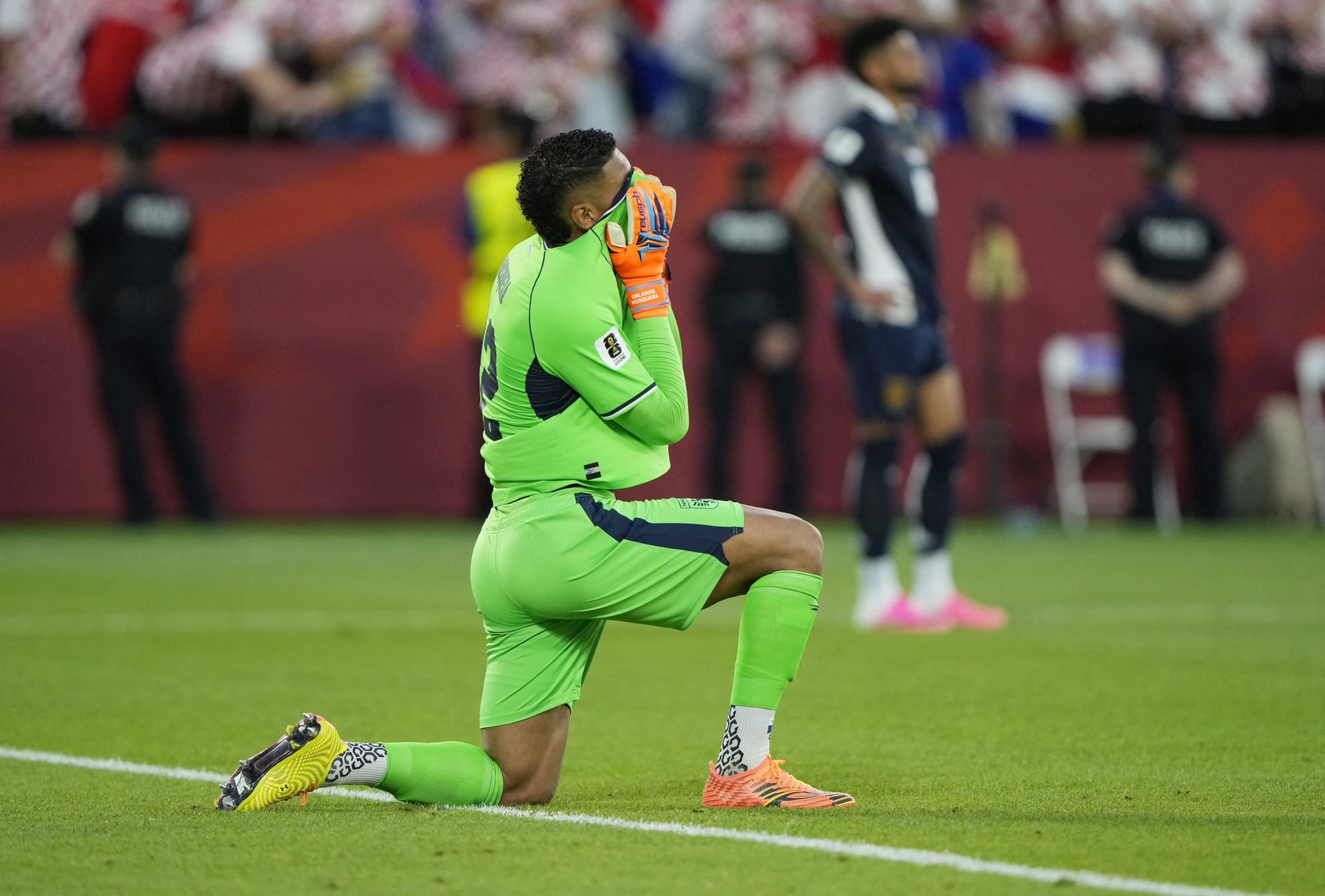
Heading into the final round of group play, 23 of 48 teams have nothing to play for in terms of advancement. This doesn't mean there's no seeding on the line, and that seeding will be incredibly important in the knockout rounds. But just about half the field won't be fighting for their lives in the final group match.
Officially qualified: 7
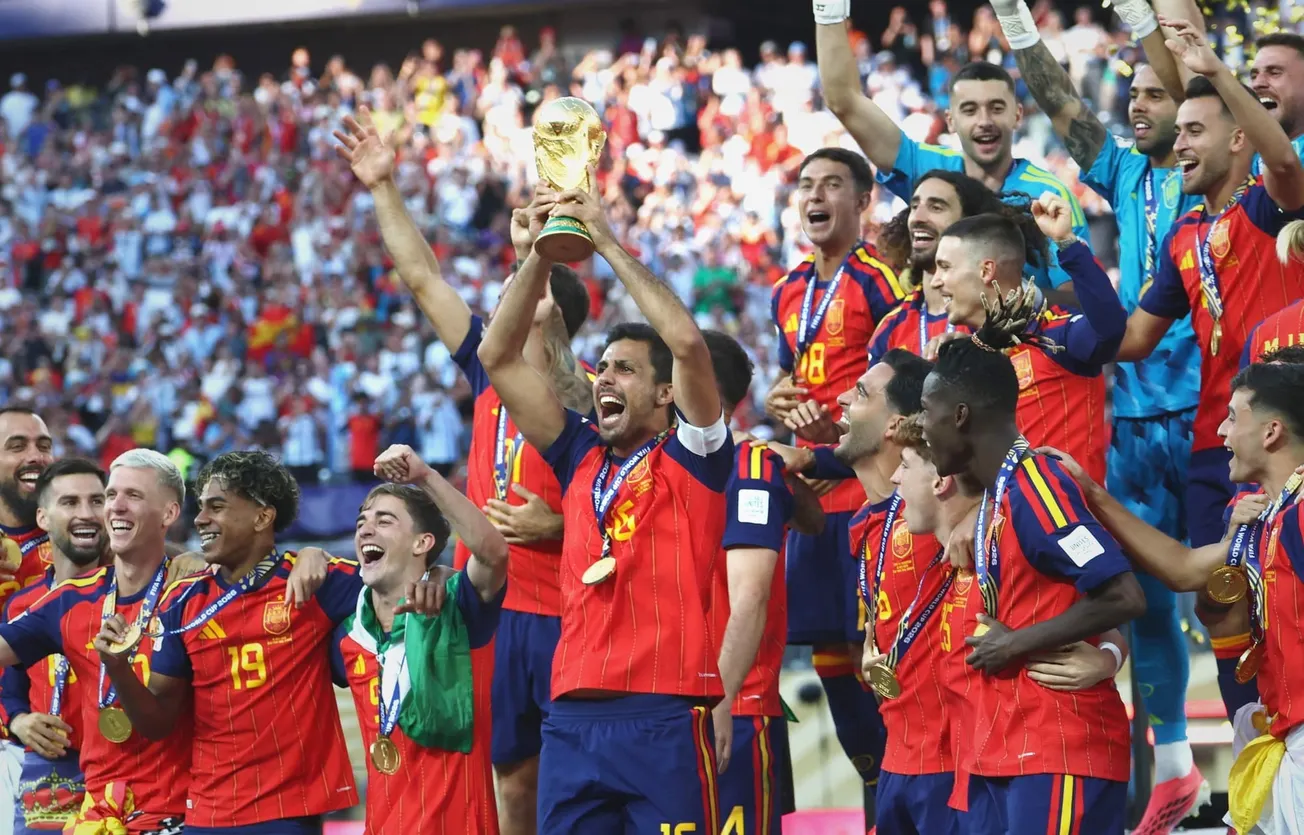
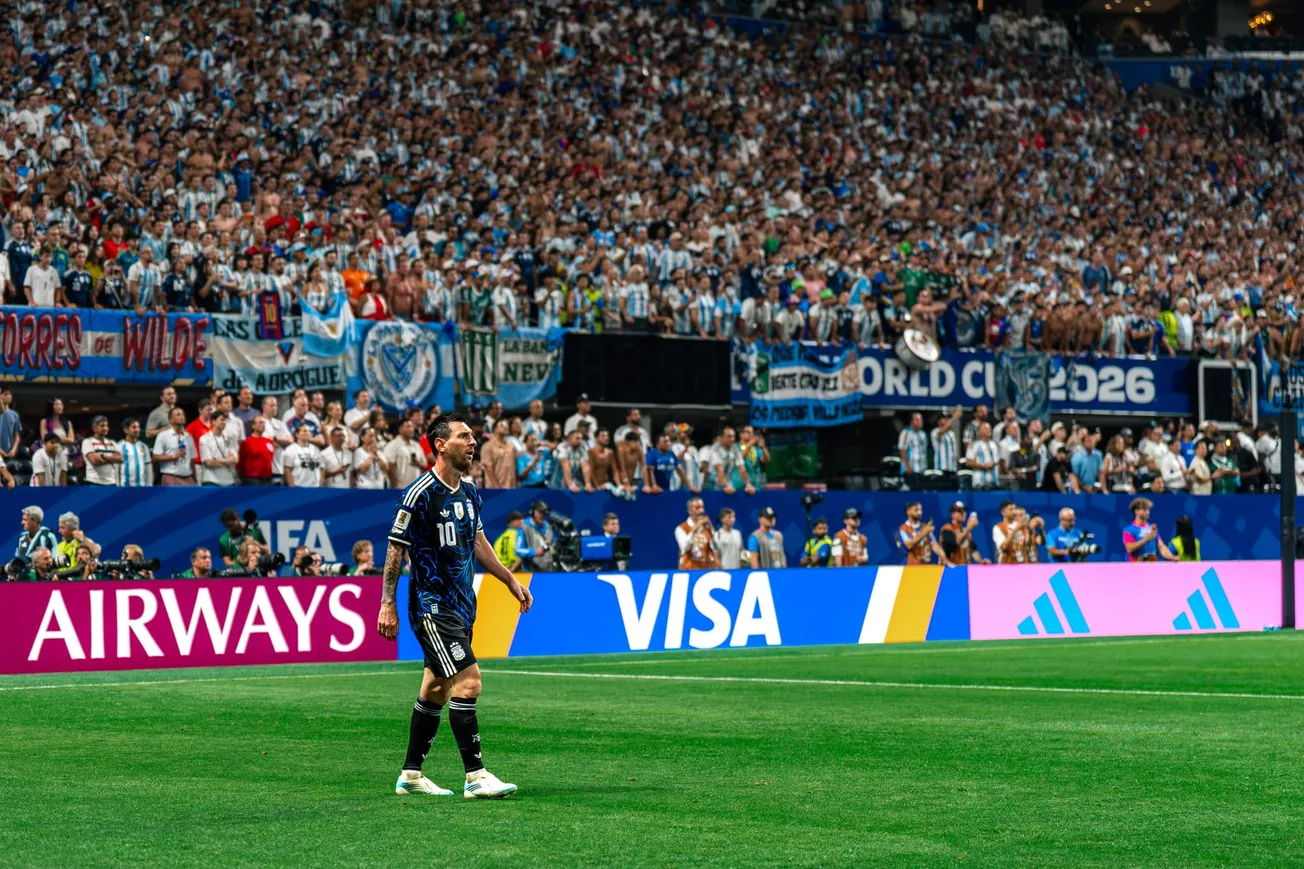
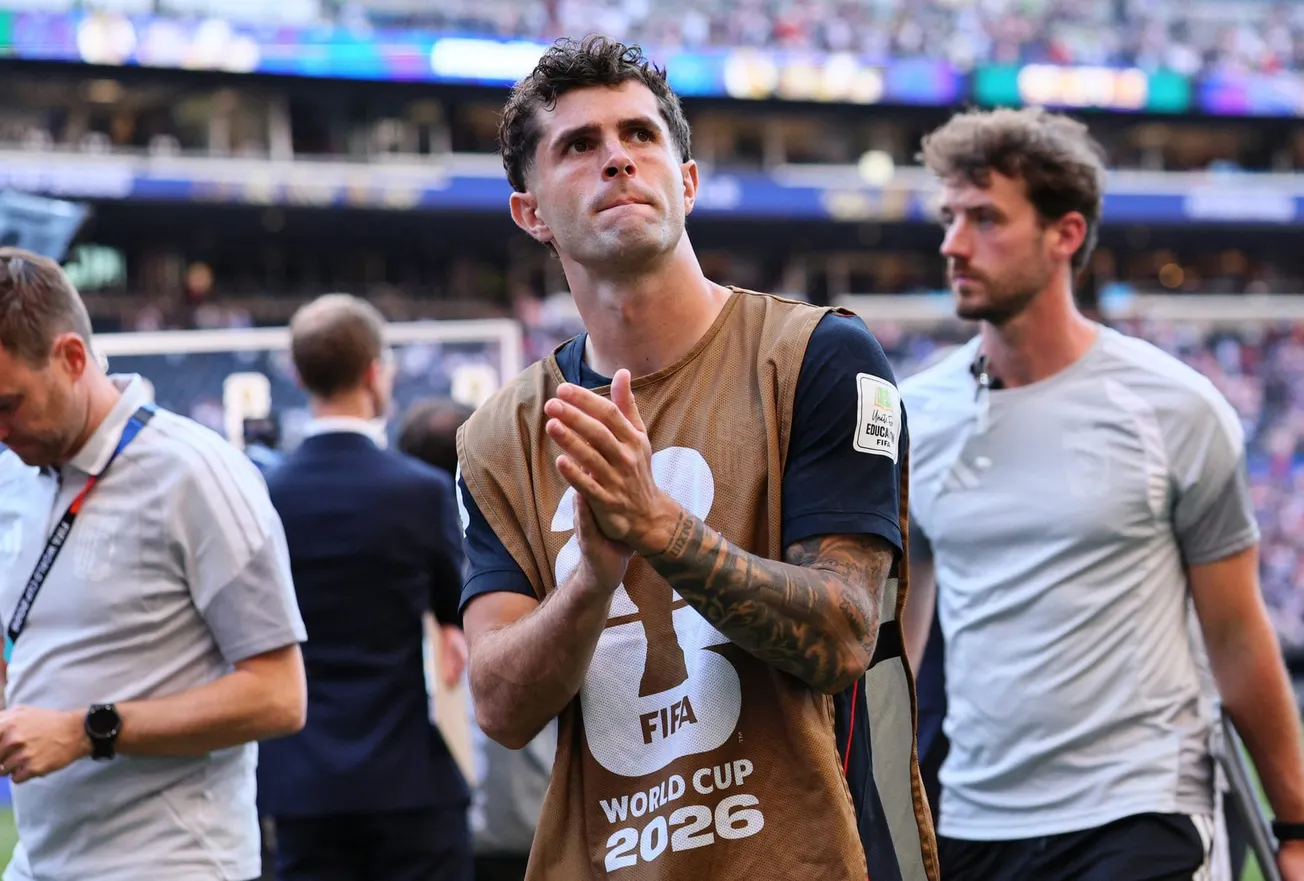
Mexico, the United States, Germany, Argentina, France, Norway, and Colombia all have six points and are mathematically locked into a top-two spot. In the 2022 World Cup, only three teams had officially clinched their spot in the knockout rounds after just two games.
Officially eliminated: 5
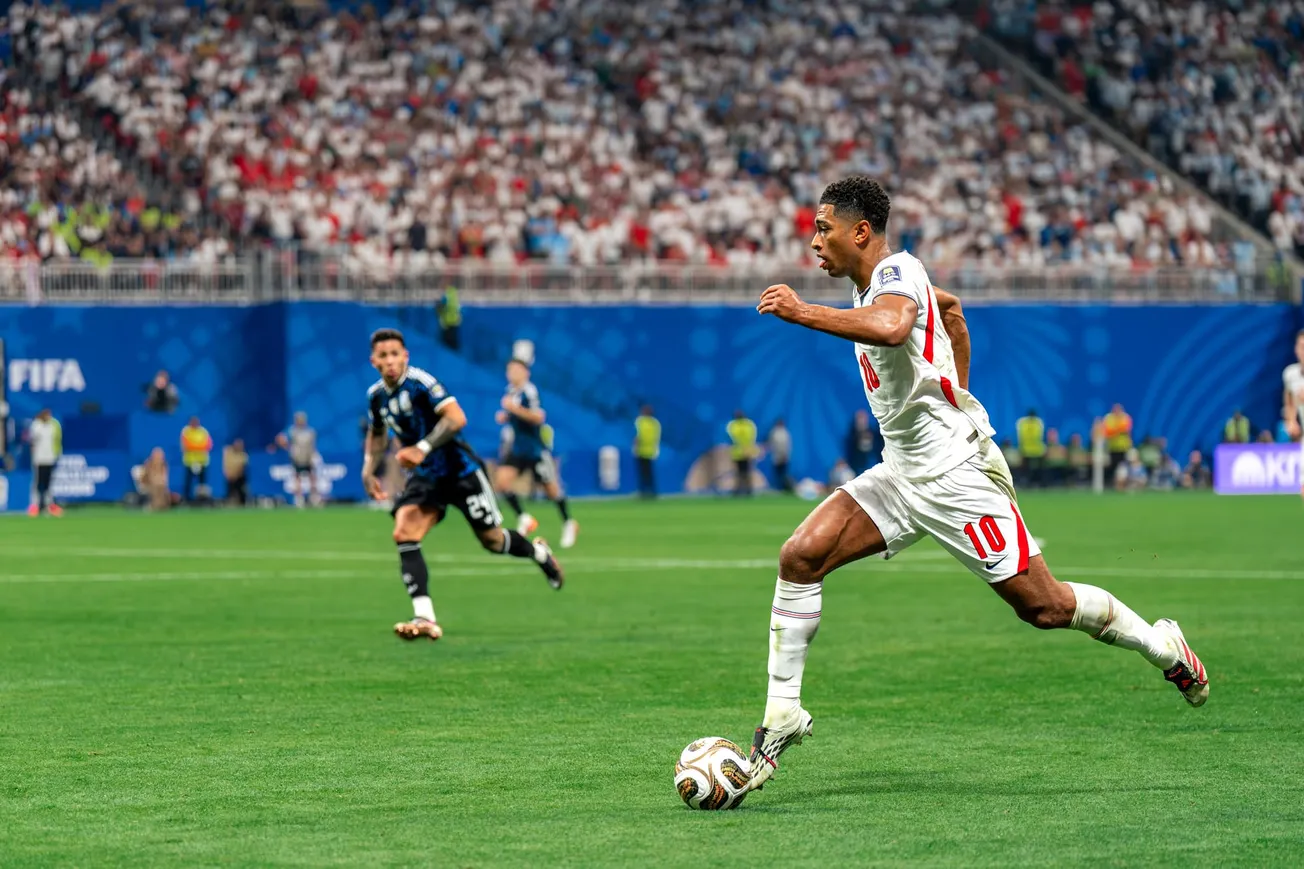
Haiti, Tunisia, Panama, Türkiye, and Jordan have zero points from their first two matches. There's no possible way for them to move up into the third-place pool with head-to-head.
Mathematically guaranteed: 11
Spain, England, Brazil, Portugal, Morocco, Netherlands, Japan, Switzerland, Canada, Egypt, and Ghana each have a win and a draw, four points from their first two matches. There is no realistic scenario in which they do not advance.
If you want the math on this?
Our model simulated the final round of group play 200,000 times. Ghana were the most at-risk team, failing to advance just once every 2,400 simulations. The average four-point team has roughly a one in 25,000 chance to miss the Round of 32. So yeah... they're essentially guaranteed to advance.
| Team | Failures / 200,000 | Rate |
|---|---|---|
| Canada 🇨🇦 | 0 | 0.000% |
| Netherlands 🇳🇱 | 0 | 0.000% |
| Japan 🇯🇵 | 0 | 0.000% |
| Morocco 🇲🇦 | 0 | 0.000% |
| Spain 🇪🇸 | 0 | 0.000% |
| Portugal 🇵🇹 | 0 | 0.000% |
| Switzerland 🇨🇭 | 1 | 0.001% |
| Brazil 🇧🇷 | 1 | 0.001% |
| England 🏴 | 1 | 0.001% |
| Egypt 🇪🇬 | 8 | 0.004% |
| Ghana 🇬🇭 | 84 | 0.042% |
 SixOneFive Soccer Staff
What would change with goal differential?
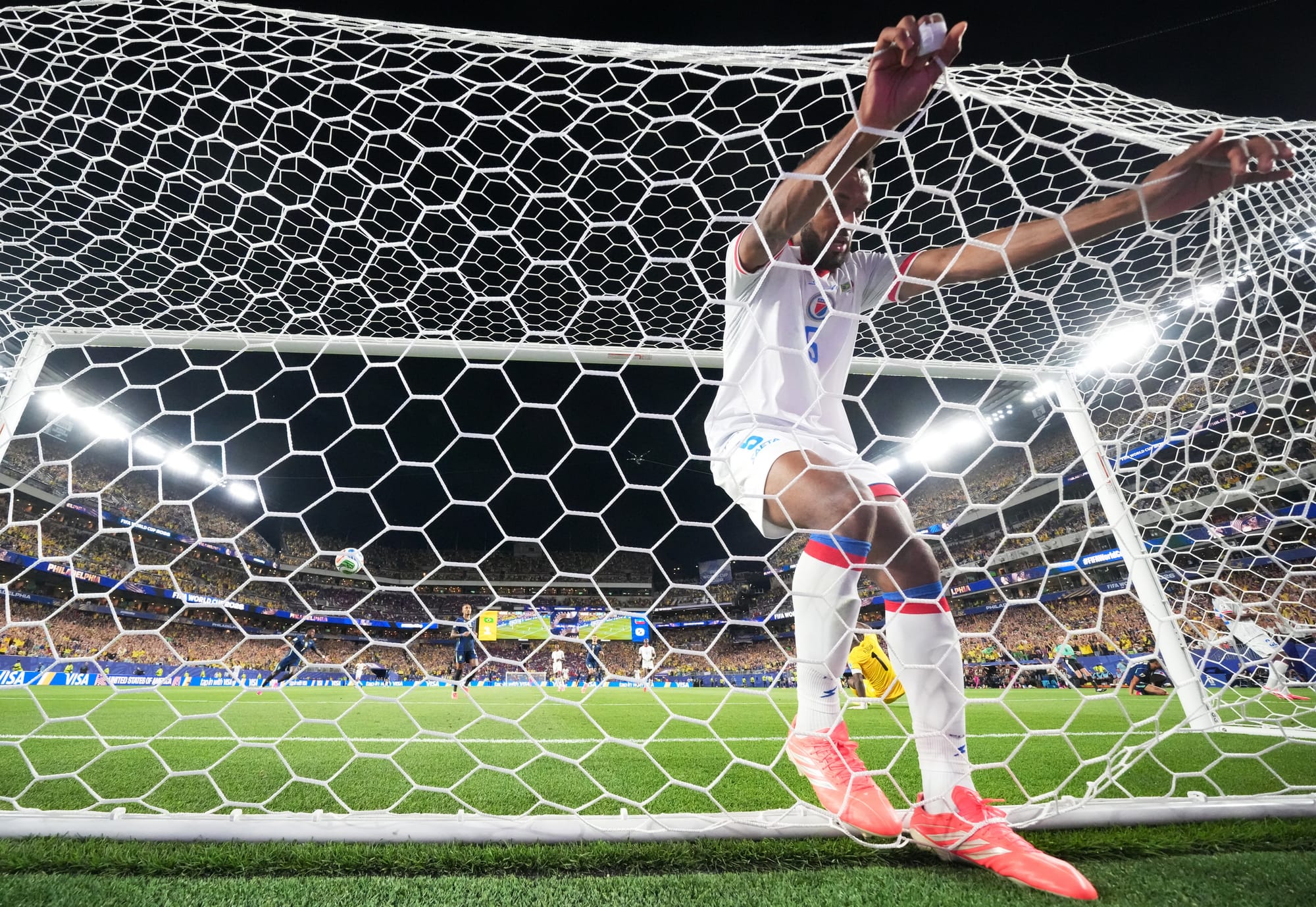
How different would things look if goal differential were the primary tiebreaker, instead of head-to-head? The short answer is: not that different.
The same seven teams would have already qualified for the Round of 32, and the same 11 teams with four points would be essentially mathematically guaranteed to advance.
The big difference is the already-eliminated teams. Five teams are officially eliminated under the current rules. If goal difference had remained as the primary tiebreaker, no team would be officially eliminated.
| Team | H2H chances | GD-first chances |
|---|---|---|
| Türkiye 🇹🇷 | 0% | 13.5% |
| Jordan 🇯🇴 | 0% | 6.2% |
| Panama 🇵🇦 | 0% | 3.7% |
| Haiti 🇭🇹 | 0% | 1.6% |
| Tunisia 🇹🇳 | 0% | 0.01% |
Türkiye's game against the United States, meaningless under the current format, would instead be a desperation push for Türkiye to get a heavily lopsided win and pass other teams on goal differential. They'd go into their match agains the US with a 13.6% chance of advancing as a third-place team.
Instead of being eliminated before kicking a ball, Tunisia would go into their final match with a slim chance of survival – they'd need to beat the Netherlands 6-0 and have Japan beat Sweden by three goals in order to move into third place. They'd have a one in 200,000 chance to advance, but hey... it's a chance.
Is this a good change?
It seems pretty clear that the answer here is no, but there are a few key reasons why.
First, five teams are eliminated going into the final round of group-stage matches who would otherwise be alive. That's 10.4% of the teams at the tournament who were directly impacted by this change.
Second, the number of meaningless matches has doubled under this format. There's a caveat here in that the majority of these matches aren't truly meaningless – there's still seeding at play, with teams trying to either win the group or avoid falling into the third-place pot. But it's still a significant chance.
Under the goal differential rules, three games from this round of group-stage games would have the same stakes:
- Canada vs Switzerland (Group B) – both confirmed to advance, playing for seeding
- France vs Norway (Group I) – both confirmed to advance, playing for seeding
- Portugal vs Colombia (Group K) – both confirmed to advance, playing for seeding
The head-to-head tiebreakers add another four matches to this pot of games:
- United States vs Türkiye (Group D) — The United States have clinched first with six points, Türkiye cannot advance on head-to-head, even though they could tie Australia or Paraguay on points and surpass on goal differential.
- Argentina vs Jordan (Group J) — Argentina are confirmed to advance with six points, Jordan cannot advance on head-to-head, even though they could tie Algeria or Austria on points and surpass on goal differential.
- England vs Panama (Group L) — England are confirmed to advance with four points, Panama cannot advance on head-to-head, even though they could tie Croatia on points and surpass on goal differential.
- Morocco vs Haiti (Group C) — Morocco are confirmed to advance with four points, Haiti cannot advance on head-to-head, even though they could tie Scotland on points and surpass on goal differential.
And third, head-to-head takes away some of the unpredictability of the final round of the group stages. Under our simulation, the 25 teams who haven't yet clinched a spot in the Round of 32 see their odds of advancement drop with goal differential as the primary tiebreaker.
| Team | H2H | GD | Change |
|---|---|---|---|
| Paraguay 🇵🇾 | 78% | 71% | -6.8pp |
| Croatia 🇭🇷 | 95% | 91% | -3.3pp |
| Algeria 🇩🇿 | 78% | 75% | -3.1pp |
| Australia 🇦🇺 | 92% | 89% | -3.0pp |
| Scotland 🏴 | 85% | 82% | -2.9pp |
| Austria 🇦🇹 | 92% | 90% | -2.0pp |
This is a good thing! This adds unpredictability, drama, and intrigue to games that otherwise feel fairly settled from the outset.
With goal differential as the main tiebreaker, more teams have more at stake and more left to play for at the end of the group stage. That's what everyone wants at a tournament like this. Taking that intrigue away unnecessarily waters down the product on the pitch.

The World Cup is coming to the United States this summer, and more people than ever are curious about soccer in this country!
If you know someone who might be interested, consider sending them a gift subscription to SixOneFive Soccer, where we'll be covering the USMNT and the tournament at large. They might even get hooked and stick around for the MLS season!