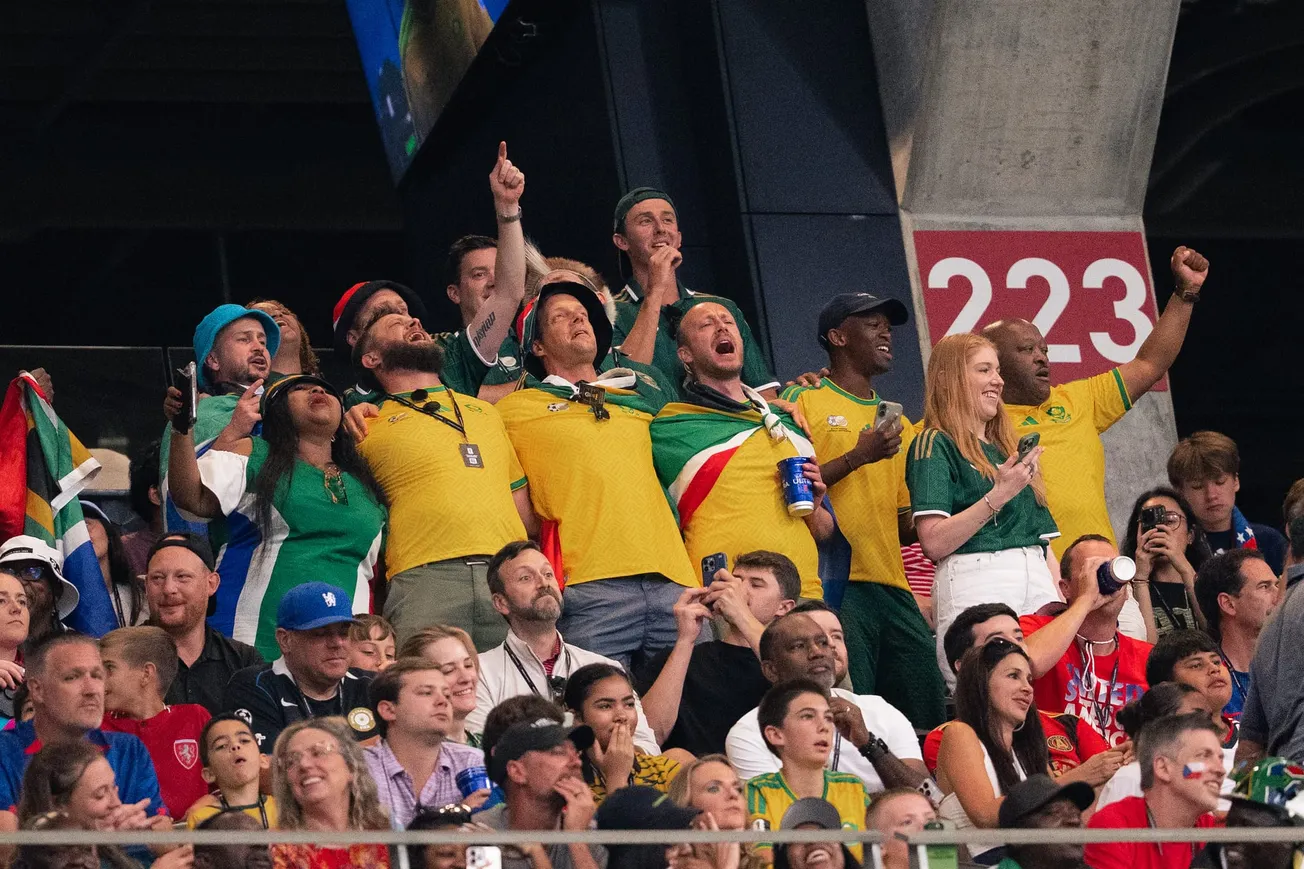
30 years ago, in the wake of the 1994 World Cup, it was hard to imagine when the United States would host another World Cup. 20 years ago, questions like"when will soccer arrive in America?" were asked, never answered, and asked again and again. 10 years ago, fans were told repeatedly that soccer would never succeed in the South.
It's important to take this walk down memory lane to fully appreciate what's going on in the United States this summer.
The World Cup is here, and we're running our biggest sale of the year! Sign up for a new annual membership and save 30%!
Vibes
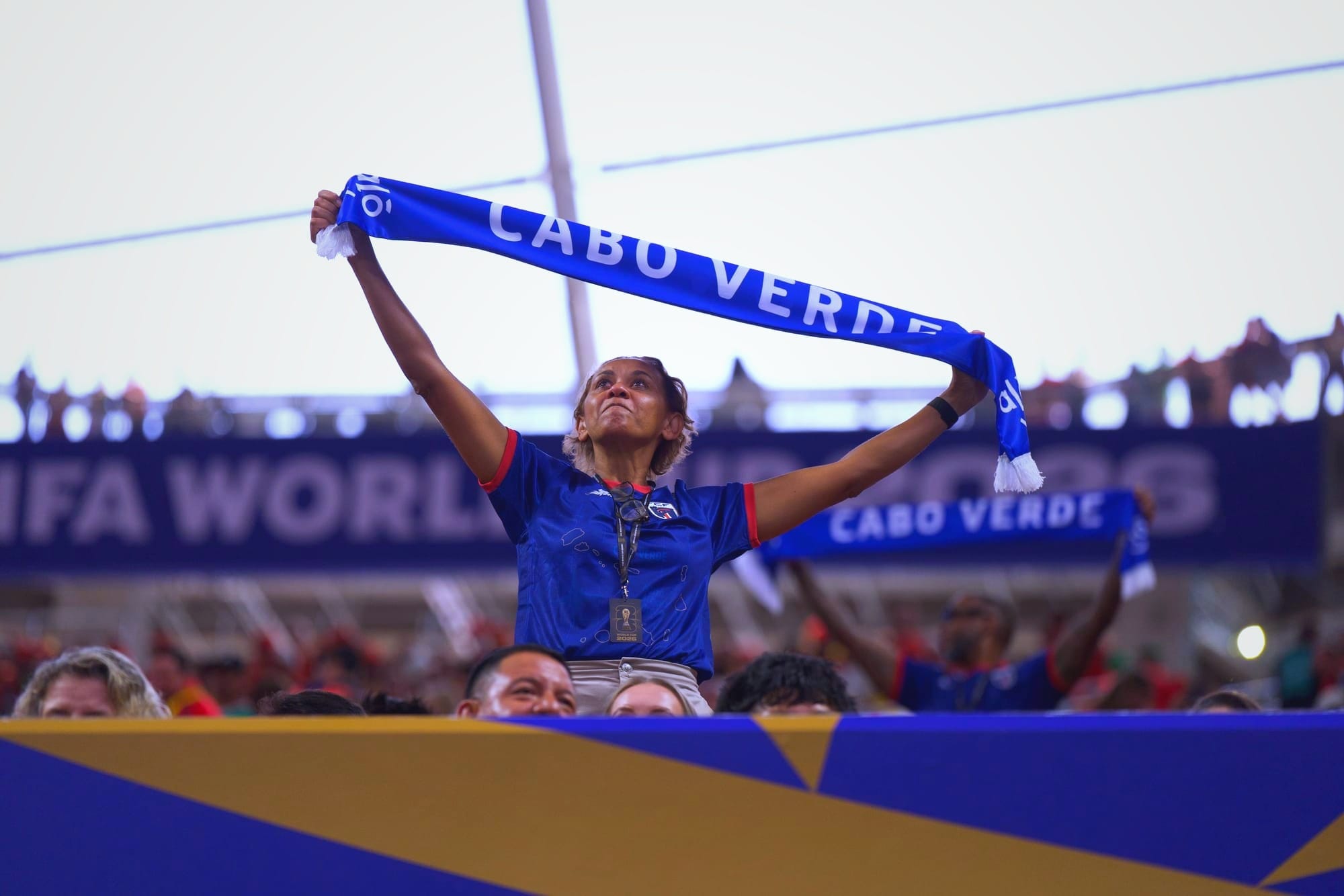
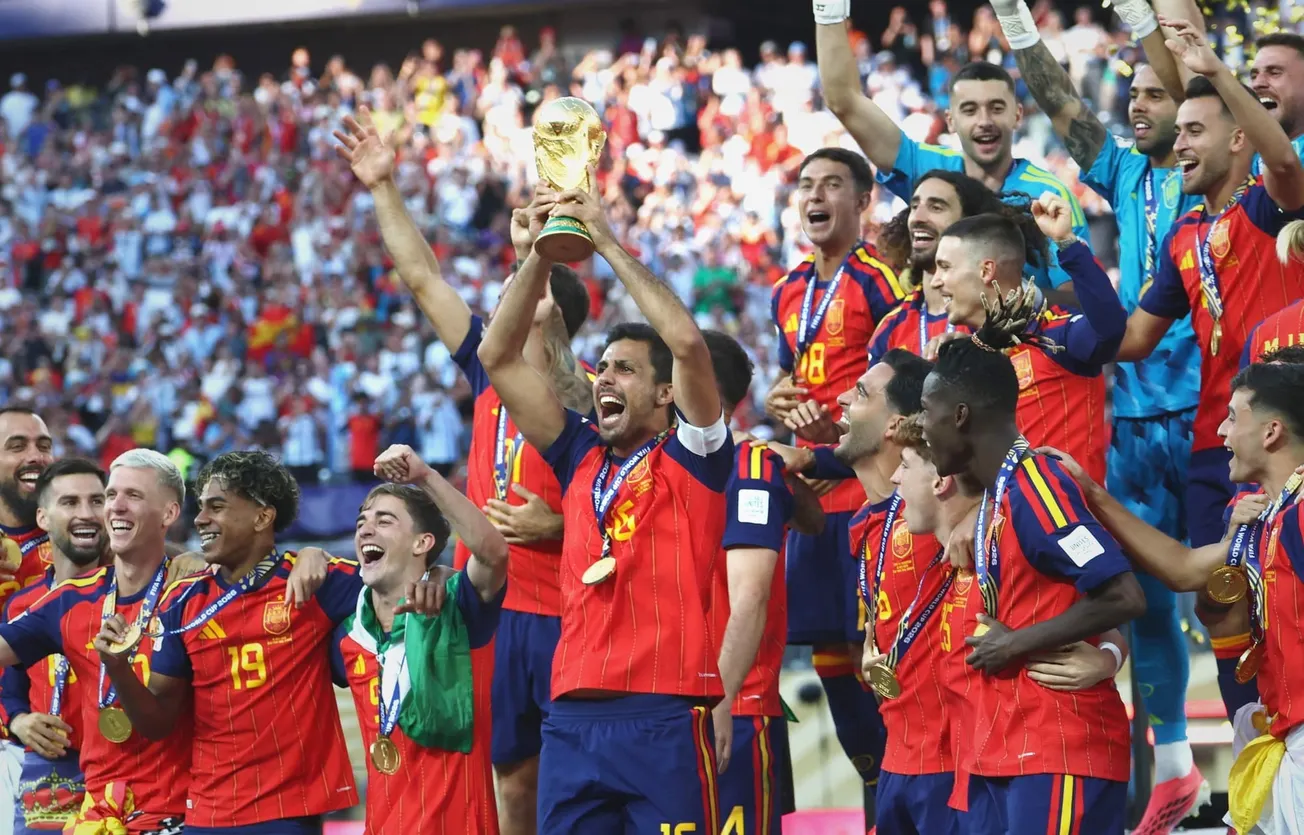
Under the hot Georgia sun, Atlanta welcomed thousands of fans from around the world. The occasion? The small island nation of Cabo Verde were making their World Cup debut against tournament favorites Spain.
One of my personal highlights of every World Cup is traveling fans experiencing local culture, and there aren't many better places to do that in the United States than Atlanta. After all, this is the birthplace of Coca-Cola, CNN, and Migos. And while I am unsure if Bad and Boujee was a hit in Sevilla or Bilbao, I know for a fact Spaniards have Coke Zero.
Still, with the current political climate and all the bad things surrounding the World Cup, there was no telling how things would go. Ticket prices, immigration issues, logistical nightmares, and the US not being a "proper football country" were the main roadblocks to a successful World Cup.
While some complaints are valid, it was clear upon arrival that Atlanta is ready for this event. The day before the match, I made my way to the Fan Fest, taking place in Centennial Olympic Park. The World Cup signage alone was enough to get me in the mood for some soccer. The closer I got, the more World Cup vibes intensified.
People wearing jerseys in every color filled the streets. You can find anything from the retro French Zidane kit to a fake Cabo Verde jersey with a shark in the middle. For someone like me, and assuming this is the case for anyone reading this, I make it my mission to identify every kit I come across. It felt like I was inside one of those Sporcle quizzes I do instead of working.
Have you made it to the FIFA Fan Festival yet, Atlanta? ⚽🌎
— City of Atlanta, GA (@CityofAtlanta) June 17, 2026
This FREE event is your chance to party with the world right here in ATL. Register before heading downtown, take MARTA when possible, and join fans from around the globe for matches, entertainment, and more! pic.twitter.com/LmH4W45zjt
I expected the Fan Zone to be fairly busy; it was Sunday afternoon, and Japan vs. the Netherlands was on the giant screen. To my surprise, the Fan Zone was not just busy, it was packed. Multiple screens, stores, and activations filled the large park area. The entry was free, but the beer was expensive.
The Fan Zone closed after that game due to the weather, but the bars started filling up. I met up with some friends for the next two matches. While doing that, I also had a few conversations with strangers about the World Cup. It felt good to just strike up a soccer conversation with anyone in the street. I don't think I've ever felt that in the US before.
My favorite part is asking people where they are from, then trying to impress them with my ball knowledge. I feel a sense of accomplishment when I pronounce Santi Cazorla's name correctly and talk about Real Oviedo.
Game day
My journey started at one of the MARTA (Metropolitan Atlanta Rapid Transit Authority) stations south of town. The train cost me $2.50, and it was an experience in itself. Some Spanish fans were already on it, and more joined with each stop. The best part was looking at the dichotomy between Monday morning commuters and World Cup tourists.
Some locals seemed welcoming, others were less intrigued. A couple of Spain fans started some chants, but I think it was too early for that. It was just 9 am, still about three hours away from kickoff.
As soon as I exited my train to make a connection to my final destination, MARTA employees and FIFA volunteers were there to direct traffic and answer questions. All the MARTA employees were wearing sick jerseys as well. From this point on, there were hundreds of FIFA volunteers directing you all the way through. From an organizational standpoint, the experience was superb. And it was only $2.50!
The game in itself was remarkable. Cabo Verde did the unthinkable; they earned a point against Spain. Their goalkeeper, Vozinha, did so well during the match that he became a viral sensation, earning millions of new followers.
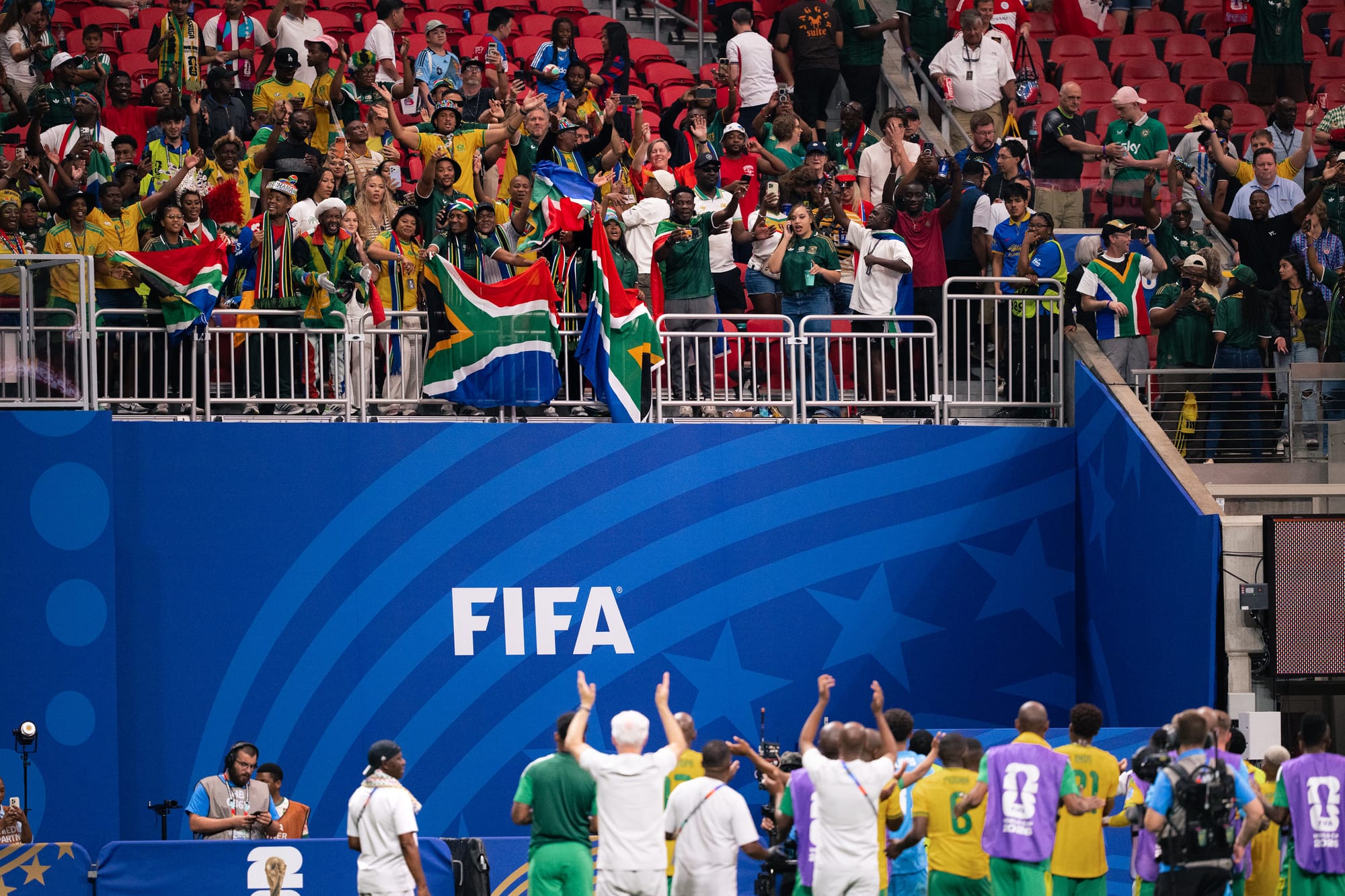
Vozinha and the rest of the players' heroics will make the highlight reels, but the Cabo Verde fans were spectacular. Despite being outnumbered ten to one by the Spanish, they did not stop chanting all game long. Every save and block was met with applause. Their energy radiated into the neutral locals, who, like everyone else, expected a route for Spain. The final whistle came, and with it came the loudest roar of the day.
The party continued into the concourse and later outside. The historic point might as well have been a win, given how it was celebrated. Fans waved Cabo Verde flags and chanted for hours after the match.
A World Cup for Immigrants
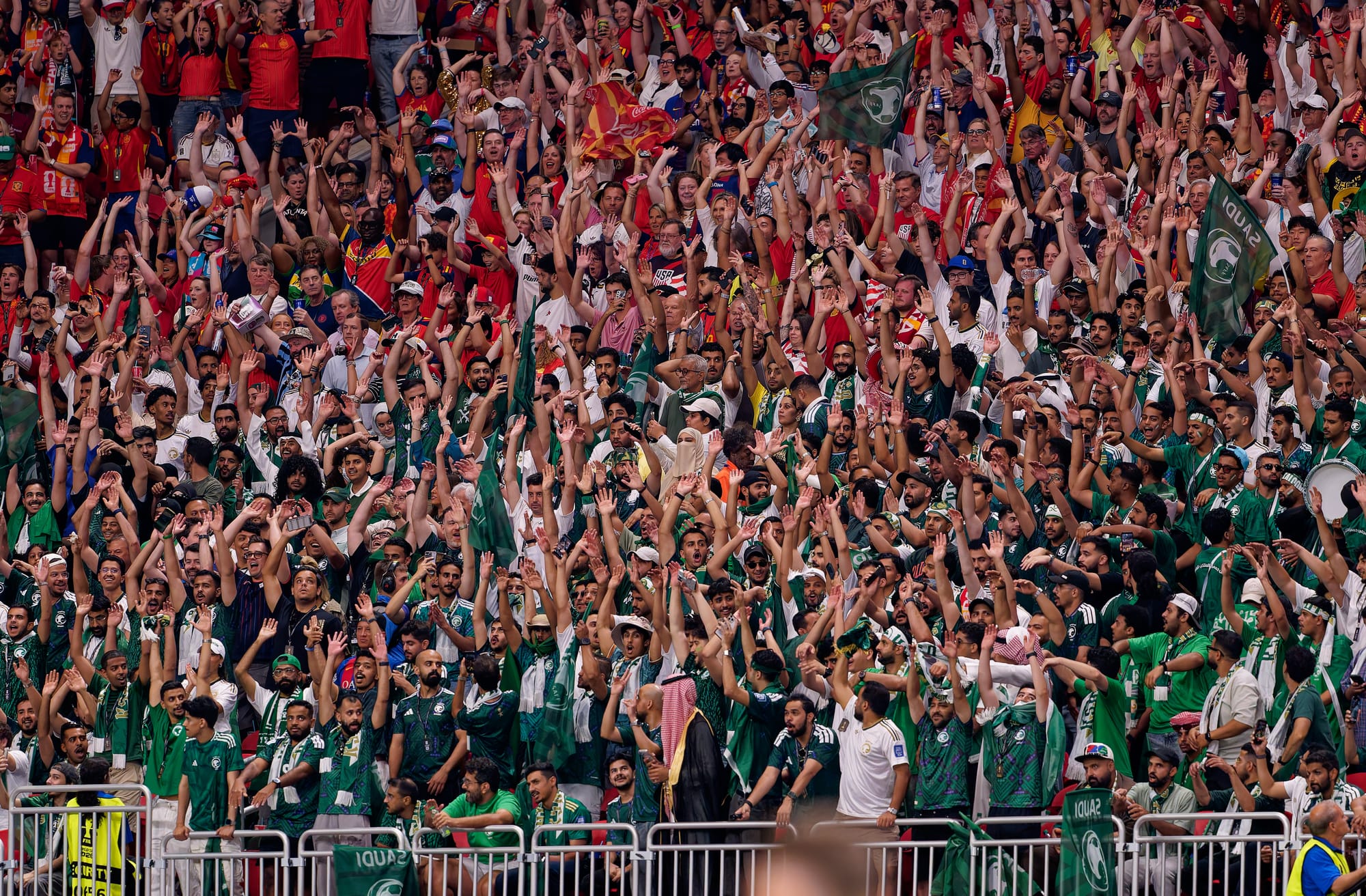
As I mentioned above, some of the complaints are valid. Many fans from certain countries have been denied entry to the US or Canada. One of those fans was Vozinha's own mother. Unfortunately, she was unable to see her son put on a historic World Cup performance. The US and Cabo Verde officials have since resolved the issue, and she will be attending Cabo Verde's second match.
Despite visa issues and the unfathomable costs of attending games, stadiums are still mostly full. One of the biggest reasons is the presence of diaspora communities in North America. Most of the Cabo Verde fans attending the game in Atlanta live in Boston, where there's a large community.
Friend just sent me this. Bosnia Blue on the streets of Toronto. pic.twitter.com/oZtAVeV7oz
— Gareth Wheeler (@GarethWheeler) June 12, 2026
These communities exist almost everywhere in the US and Canada. Persians in Los Angeles, Iraqis in Michigan and Bosnians in St. Louis, just to name a few. Not to mention the amount of Mexican jerseys in every game, regardless of the teams on the pitch.
For folks in the diaspora, this is their best – maybe their only – chance to see their national team. It's also much easier to travel between states and provinces than internationally. Whether it's traveling to watch their own team or attending matches in their local markets, diaspora communities are a major reason for this World Cup's success.
This is why a World Cup in the US is special. Every team, regardless of how small, will have a fan base within the country. No World Cup since 1994 has had that.
All of that was present and felt in Atlanta, plus a touch of southern hospitality. It truly felt like an international convention of some sort, but instead of politics, dancing, signing, and camaraderie were on the agenda.
Despite what happens on the pitch, this World Cup has shown me the best version of the United States of America, the promise of what this country could be. It's not like that most days, but for that moment, I didn't care that the sun was burning my bald head because I was too busy smiling at an international crowd doing the Cupid Shuffle.
Atlanta vibin prematch 🇨🇻🇪🇸 pic.twitter.com/ANp6xJkFz3
— Valair (@valairshabilla) June 15, 2026
The World Cup is coming to the United States this summer, and more people than ever are curious about soccer in this country!
If you know someone who might be interested, consider sending them a gift subscription to SixOneFive Soccer, where we'll be covering the USMNT and the tournament at large. They might even get hooked and stick around for the MLS season!