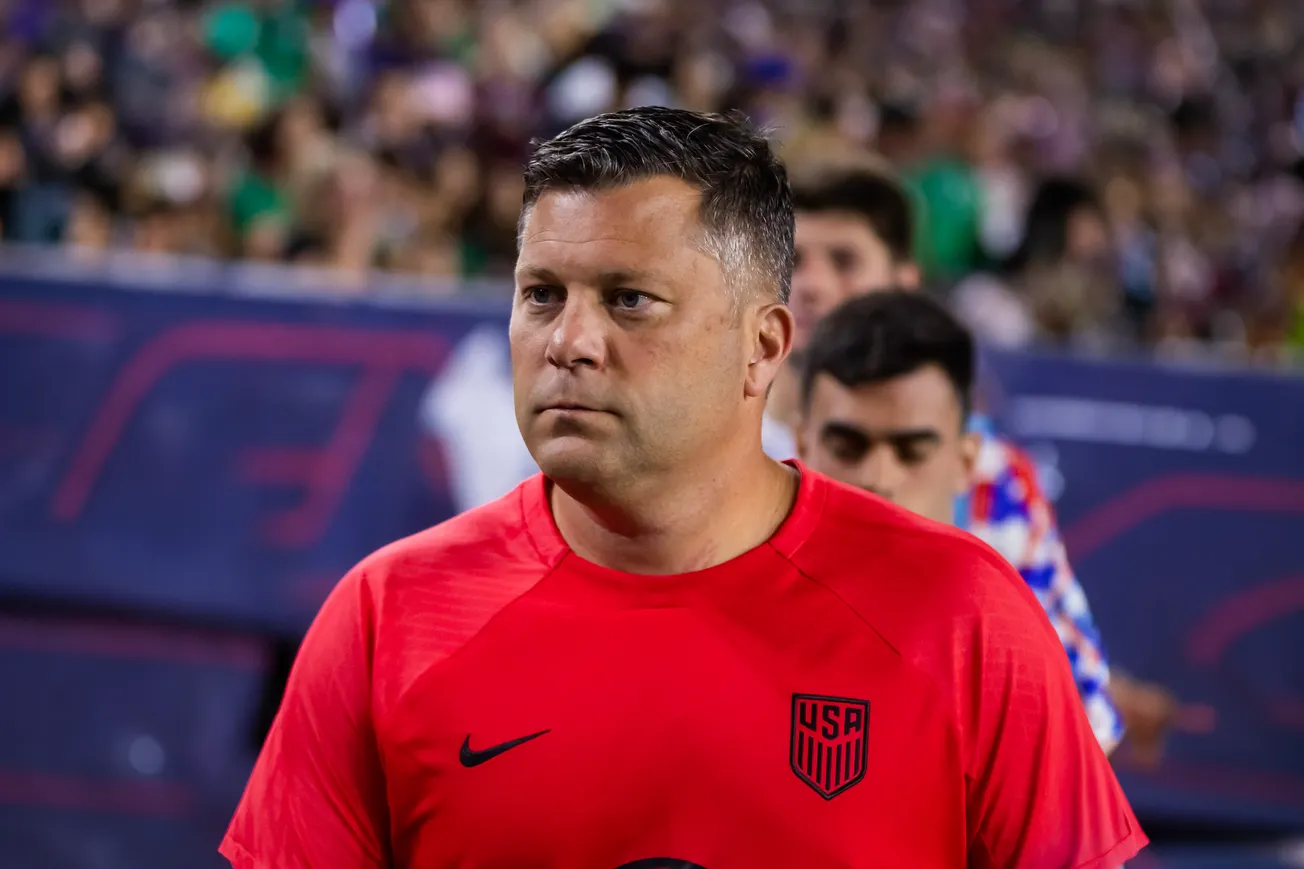
You'd be hard-pressed to find someone who's more in-tune with the United States Men's National Team than BJ Callaghan. The current Nashville SC head coach spent six years with the USMNT, first as an assistant coach and then as interim head coach.
From coaching at the 2022 World Cup to leading the team to the Concacaf Nations League title, Callaghan played a major part in laying the foundation for the team at the 2026 World Cup, where they've reached a new level of performance.
Speaking exclusively to SixOneFive Soccer, Callaghan reflected on the buildup to the tournament, how head coach Mauricio Pochettino has been able to get the best out of his players, and what comes next for this team.
Quotes have been lightly edited for clarity.

The World Cup is here, and we're running our biggest sale of the year! Sign up for a new annual membership and save 30%!
Ben Wright (SixOneFive Soccer): First of all, how have you been doing over the break? How much soccer have you been watching? I know you're busy preparing stuff for the MLS season to start up here again soon, but have you been able to watch much of the World Cup?
BJ Callaghan (Nashville SC): Yeah, when we were off, and the tournament started, we had a lot of time to watch. And now that we're kind of back in, we're always keeping our schedule open for some of the key games, whether that's rooting interest of our players, rooting interest of the staff, or just, you know, soccer fans in general. But I definitely have taken in a bunch of it in.
Wright: I know, obviously, guys from all over the world are in the Nashville SC team. What's that vibe like in your group during a World Cup, where everybody's pulling for different countries? What has that been like to experience?
Callaghan: Yeah, I think I think it's been great! When it's a neutral game and it's just a really good game, ou see how many people are engaged. And then when there's rooting interests, you start to see the stress of the game. The best way to describe it is when you watch us watch games, you quickly see players and coaching staff become fans. It's been great.
I think when you see an England and a Ghana play against each other, there's great banter amongst the group. It's always done in a really healthy way. But everybody's rooting for their team.
Wright: What's it been like watching Ahmed [Qasem], who's the only player from this current group who's at the tournament. What's that been like watching him on the biggest stage in the world?
Callaghan: I think the biggest way to describe it is that the whole group is just proud. I think we were coming off the training field, and all of our alerts were that he was in the starting lineup. And, you know, for the everybody in the locker room, it was just like spreading like wildfire. "Ahmed's starting! Ahmed's starting!"
We all obviously got back to the hotel from training to watch it. And yeah, that's where you see people just being like friends, teammates; supporting and just proud to watch.
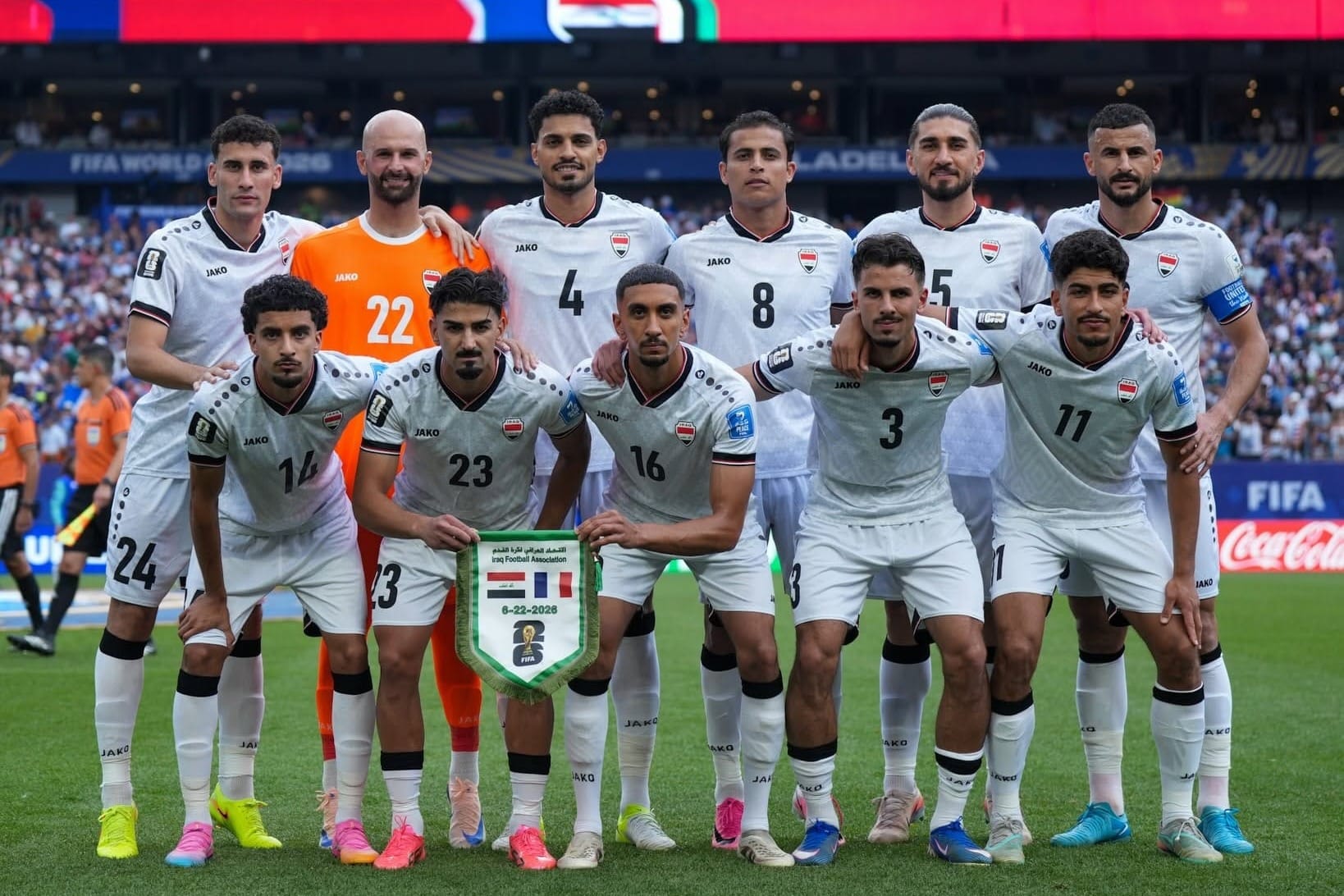
Wright: I know you obviously have a lot of history with this team. For me, I've been pretty surprised at just how good the environments have been in the stadiums. Thinking to that Seattle game, the national anthem before the game seemed incredible, and then singing "Take Me Home, Country Roads" after the game. For someone who's been on the touchline for games with this team, what have those moments looked like to you? And for the players and staff who are experiencing it firsthand, what is that like?
Callaghan: I think first and foremost, yeah, the crowds, the environment, especially for the support behind the U.S. team, have been unbelievable. And Seattle, I know they've been hungry for a men's national team game up there. So to get a World Cup game is great. And they showed up in tons of numbers and voices.
I think what it gives for the players and for the staff is a real sense that this is a big deal. So there certainly comes a level of pressure. But I think in the world that we live in, we want that pressure. It starts to allow you to understand the magnitude of what a World Cup is, and how many different types of people and backgrounds and everything that it can impact.
And then at the end of the day, it really shows you and maybe gives you a little bit of that validation; what you do matters, and it matters to a lot of people. You take great pride in it. But at the same time, you know that it's a great responsibility.
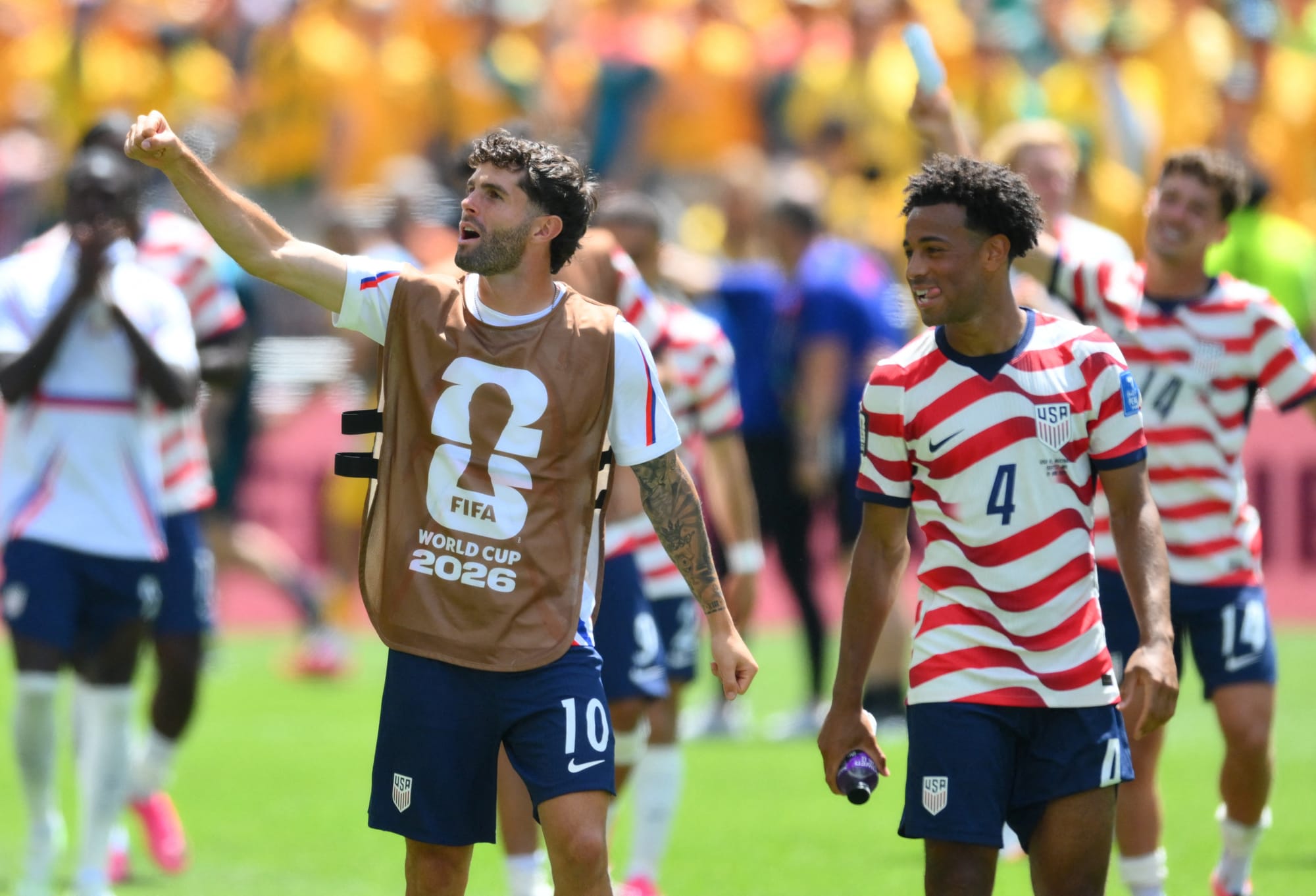
Wright: We talk a lot in MLS about how important homefield advantage is and how playing at home is a big deal. Obviously, those moments where you can play at home in a World Cup are significantly less common. So do you feel like homefield advantage is an even bigger deal in a World Cup? And looking forward for a team like the USMNT, who, if they go far, are going to run into some big teams at some point. How much of an advantage can playing in front of home fans actually provide on the field?
Callaghan: Yeah, I think playing at home, you can already see it. You see the way the US team is playing right now with energy intensity. They can keep you going for sure. I think that the home crowd itself is really important.
And I think at the same time, it can put some pressure and some nervousness into the opponent. It creates a bit of a separation when one team is getting pushed by the crowd and the other team is maybe getting held down a little bit.
But in general, with the home World Cup, I think it's beyond just the stadium, right? It's beyond just the game. I think just the understanding of travel and weather and familiarity, and there's just a comfort when you're from the home country. Obviously you also have a lot of people trying to help you out and do whatever they can to play a part in it. I think that that level of comfort lets players and staff and everybody who's involved focus on what's really important at the end of the day, which then becomes that 90 minutes. And then it comes full circle to get back in front of that home crowd.
Wright: I know you talked before the tournament about how Japan are a team that you always like to watch. Who has stuck out to you so far through and what are some of the more tactically interesting teams that you've watched?
Callaghan: That's a good question. I think you've seen a little bit of a couple different things. Obviously, I've watched the Netherlands. I really like the way that they play. Even the other night, the Colombia game, with their attacking and the use of the fullbacks. For me, each team brings something.
And then you're just watching teams that are so well organized in mid- to low-block defending, and the type of different ideas that they're using. I think I get drawn to some of the teams that are quite dynamic and looking to attack.
Wright: Are there any overall trends that you've noticed? Ways that teams are trying to set up in a low block, or trying to break teams down? Have you noticed any things that keep popping up as commonalities?
Callaghan: You know, I think I think what you're seeing is the games being almost played in two halves. So the first half, you know, the team that has the ball is able to establish possession in the attacking half and try to really keep the field compact and get a lot of numbers in that half.
And then I think you're seeing big transition moments. Even if you look at the Norway goal, right, that Martin Ødegaard plays in to Erling Haaland... Like these are 40-, 50-yard transition plays that you're starting to see. But then what happens is if that doesn't get executed in attack, the rest of the next team comes all the way up. So you're seeing, I think, a lot of high-intensity back and forth, also combined with 21 players in one half of the field for periods of time.
So I think it's showing that the demand on the players from a physical standpoint is high, but then also the demand on every position is to be able to both defend and attack.
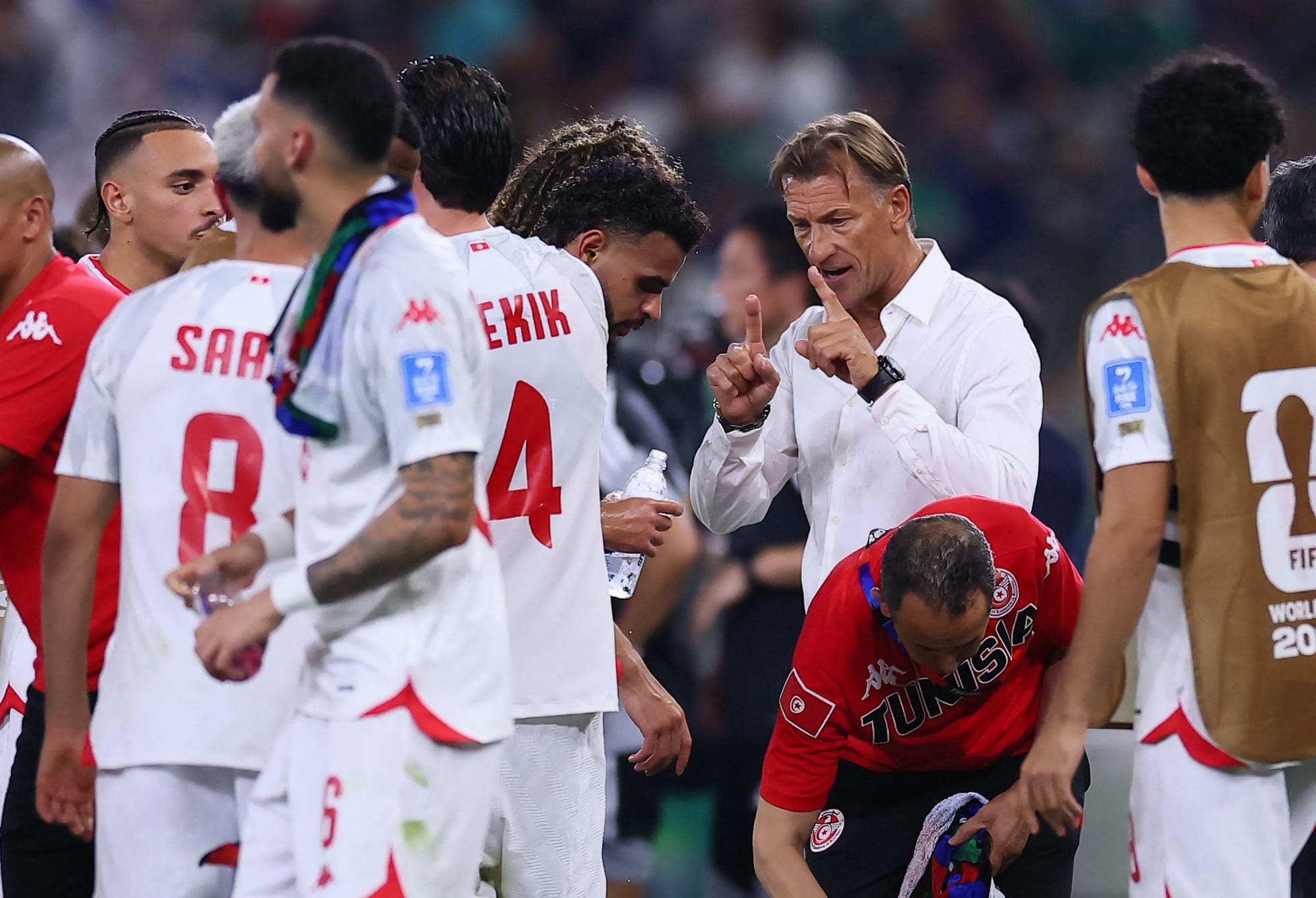
Wright: One of the bigger talking points of this tournament has been hydration breaks. We don't necessarily have to get into whether it's a good idea or not, but from a coaching perspective, how much of a difference does having two or three minutes in-game make to be able to make adjustments or point things out to players? Do you think that's something that actually makes a difference on the field?
Callaghan: I think there's an opportunity to make an impact. Does that mean in every hydration break you're making an impact? No, but it certainly opens up that if there's something that can be addressed, you do have that opportunity.
Obviously I understand what the purpose of it, which is to protect the players and their safety. But these guys are so well-conditioned as athletes that when you give them three minutes of a break to bring their heart rates down, they can almost get fully recovered. So I think what you're seeing is this ability to keep a high, high intensity and freshness in the group. When obviously you played 20-some minutes, you give them a three-minute break. They can come right back and play at the same intensity for another 20 minutes.
Wright: Just looking more at the United States, I know Mauricio Pochettino hasn't had a full cycle, but it felt like there was a lot of experimentation and trying to figure out who his best players were and where to put them. It feels like really in the Senegal and Germany friendlies, and now going in the World Cup, something has clicked. What have you made of the build-up to the World Cup and then now his ability to get the most out of players in games that matter?
Callaghan: I mean, I think what you saw happen was a very clear plan on what they were trying to achieve. And I think now looking back is wanting to learn who his best players were. I think he wanted to learn the qualities of those players. And then from that point, that gives him a good blueprint on how he then wants to build a team.
So I think when you have 26 players on a roster, you're probably picking a certain amount of these guys because they're the number one player in that position for your team that you want to start all the time. But then you may be looking for specific qualities, whether that's mentality or different profiles, to then build the team that you might want.
I think there was a really exhaustive search to learn everything about the players in the player pool, to give everybody an opportunity to show who they were. And then his job was to pick the best 26 players. Or let me rephrase that; to pick the best team of 26 players, not just the best 26 individually talented players, but players that are all going to fit together, have to live together, and identify the culture that he was trying to build.
And at the end of the day, I think you see that, right? You see a really collective, cohesive team that seems to be playing with passion and a clear identity of what they want to do. And hopefully it continues.
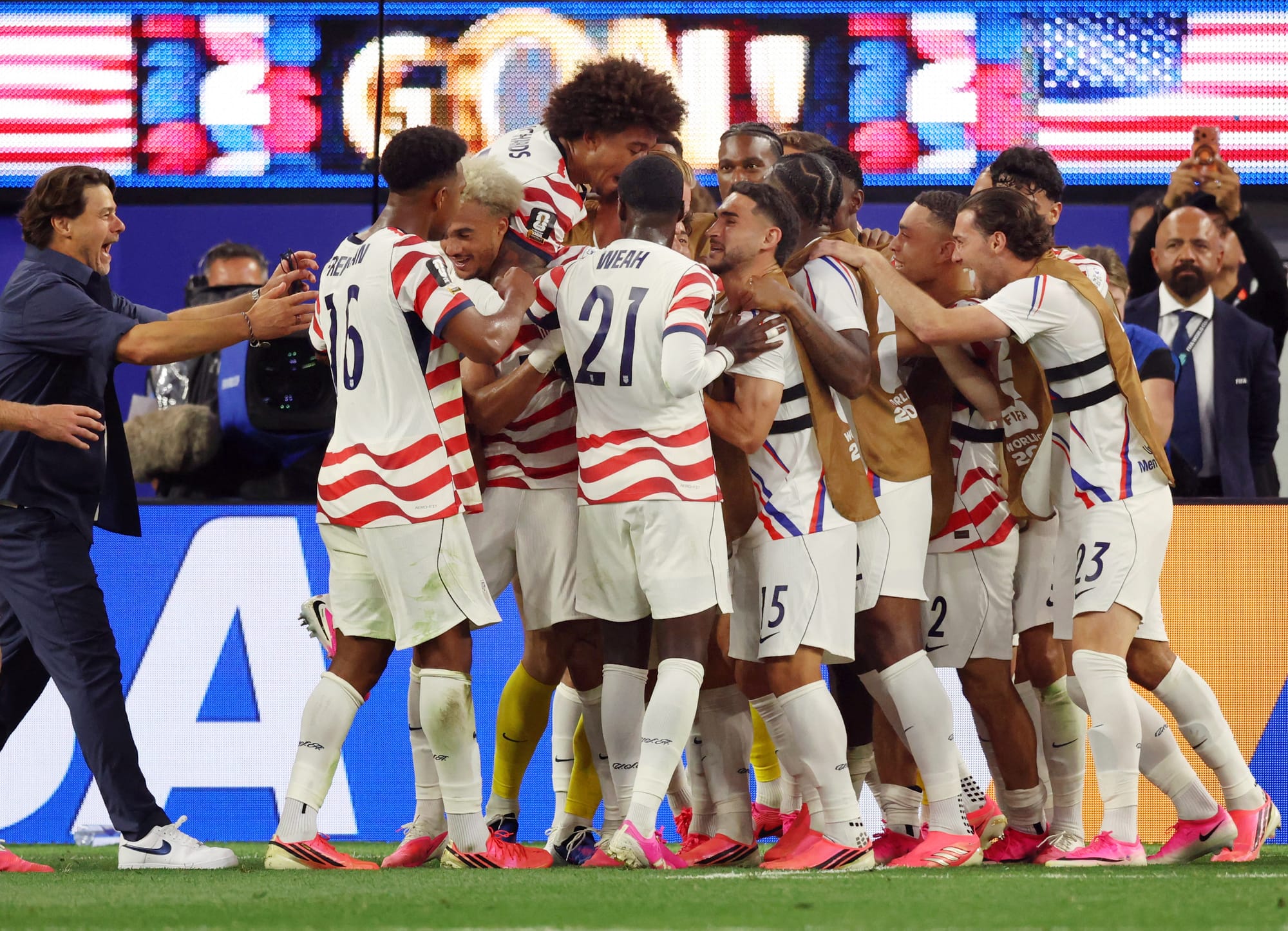
Wright: It's probably hard to put percentages on this, but for a national team manager, how important is the tactical setup and instructing players on how to play on the field, versus the man management part of it and leaning into the moment of a World Cup and getting everybody kind of rallied around the same goal?
Callaghan: I think the first and foremost, when you're a national team coach, because you certainly have a little bit of limited time and guys are coming from different places, you have to know the qualities of the players and put them in positions that bring out the best of their qualities.
And I think when you look at the US team in the first two games, the players that he has chosen to start the games are playing in roles that bring out their greatest strengths. For me, that is the foundation and the starting point.
Then there are match-to-match specific tactics or things that you need to do that are in relation to what the opponent is going to do. I think it's important that you have a clear way and clear ideas of how you want to play. You're picking players that have profiles that fit together, and you're putting them in positions to bring out their greatest strengths. And then you can take it from a match-by-match tweak here or there.
Wright: Has anything surprised you with how some of these players have been used? I mean, I'm thinking Malik Tillman and Weston McKennie – I think Tillman's played maybe deeper than people expected. Or even Sergiño Dest playing in a more attacking role. What have you made of how he's used players like that?
Callaghan: Yeah, I think that builds on the example. I think, obviously, what we know of Sergiño Dest is that, whether he's playing right fullback or right winger, his greatest strengths are his 1v1 ability, his ability to play in combination, and get into the penalty box. And so Pochettino has put him in a right winger position to do that. And then I think Sergiño has shown that he's now able to arrive in the penalty box and almost be a goal-scoring threat.
It's been well-talked about with Weston being so versatile. Whether he's doing more running behind in the first game, or maybe a little bit more on the ball and dictating play in the second game, he's a versatile player. And with that versatility, he's been given a bit of the freedom to go and do that.
I think you see, even in Alex Freeman, who's playing a side center back role. The role that he's playing on paper, those widgets, they don't move. But in the game, they move. And you can see that he's been asked to play a more of a profile that fits his qualities, which is to get in the attack and to go ahead and play a little bit like a hybrid type of fullback. So again, I think for us as fans of the team, the players are set up in a really good way to bring out their greatest strengths. And I think that's leading to why you see them performing at a high level right now.
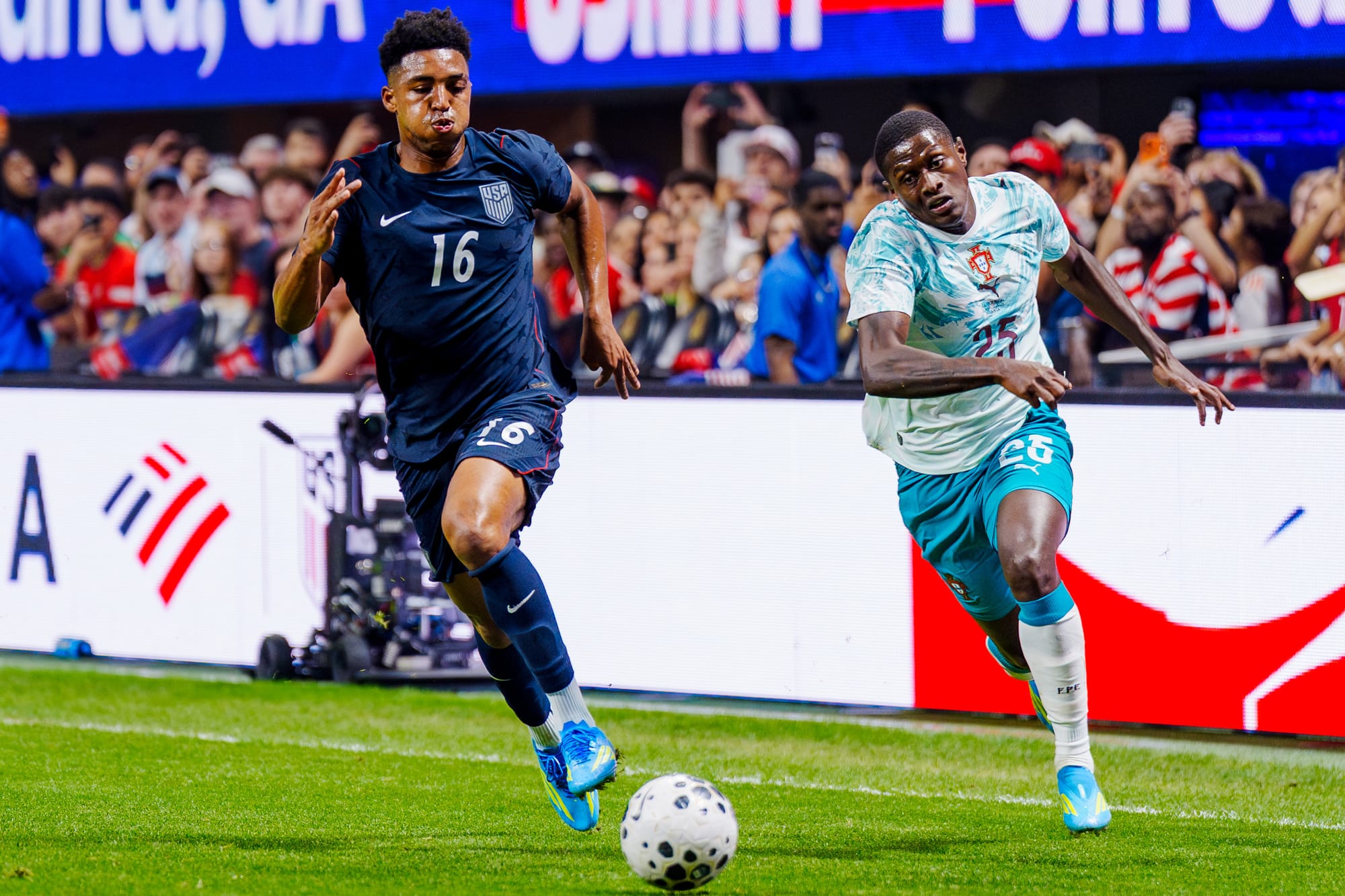
Wright: Yeah, I actually wanted to ask about Alex. I think there was a lot of debate on what shape they were using, if it was a back four or back three. It feels like they're trying to use a three-two shape with the ball, and then they have some kind of flexibility to match the opponent out of possession. But Freeman is he's the one who is switching a lot. He's like defending wide by the touchline, but then also pinching inside with the ball.
He's 21 and hasn't played with the national team much before the last year. How impressive is it for him to be able to adapt to a different role than what he's played for his club team and perform at this level?
Callaghan: I think that's the sign of good players. If good players are given clear roles and responsibilities, the ones that can take that information and apply it to a game are the ones who are able to continue to play, and to continue to build their career.
I think what you've seen from Alex is that he has a certain skill set. He's clearly been given roles and responsibilities that he wants to do with the ball and without the ball. Credit to him for being able to take that information in and apply it on the field and be able to make impactful plays.
Wright: You were obviously around for a lot of Folarin Balogun and his initial process joining the team. When you guys were trying to bring him into the US setup, what did you think his ceiling was as a player, and did you expect him to hit this level with a national team this quickly?
Callaghan: Yeah, I think the recruitment process of somebody like Balo was similar to what you would do with any other player who may be having a decision. I think that's a very common trait right now. You show them or you explain to them what the project is, right? What is this idea of what we're looking to do? And at that time, you know, going into a home World Cup was to change soccer in America, and have this massive platform to do it. And you can see it come to fruition now.
But at the same time, showing him the role. Early on, when he joined, you could see that he had those qualities that he's shown. I don't think there are ever expectations, but what are the possibilities and the possibilities? He had proven that he could score goals and do it in a variety of ways. And I think you're starting to see those qualities come out as he's gotten familiar and in the environment, and playing more games.
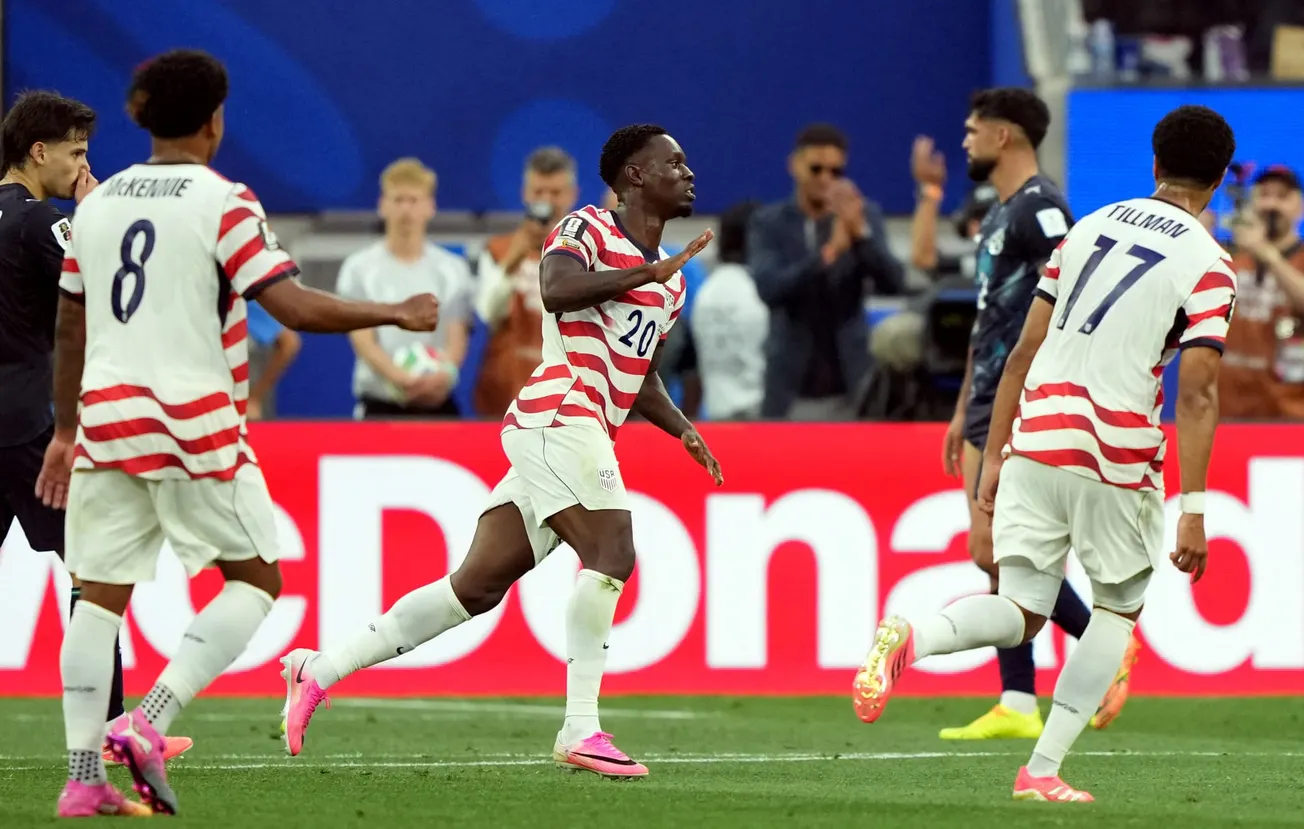
Wright: Obviously, first place in the group is locked up, so the Round of 32 is already guaranteed even before the game tonight. What do you feel like this US team's ceiling is at the World Cup?
Callaghan: I think for me, they can go toe-to-toe with any of the teams, and I think they should believe that.
What it means for results? I don't know, because the game has all these different things that can happen to it, right? But I think what this group is showing is that they have the potential, if they continue to play at the level that they're playing, they should be walking into every game believing that they can go eye-to-eye and toe-to-toe with any opponent that's put in front of them.
Wright: From 2022 until now, it feels like there's been a step forward and improved performances, at least at the World Cup level. Where do you think they go next, just in terms of this group growing and continuing to be able to compete against the top teams in the world?
Callaghan: Yeah, that's what I think. I think the goal is to continue to establish yourself in a much more consistent way where you can get results versus the top teams. Even when you look at the results now, if you look at the history of the results on teams that are FIFA ranked in the top 10, we want to change it. That becomes more wins and draws than it is losses.
And I think that's what you really want to do; solidify yourself as a top eight or top 10 team in the world over these long periods of time. The World Cup is where you have to come out and play your best. But even when you're playing the friendlies, even when you're playing in other tournaments, you want to be able to solidify yourself as being a top football nation in this world.
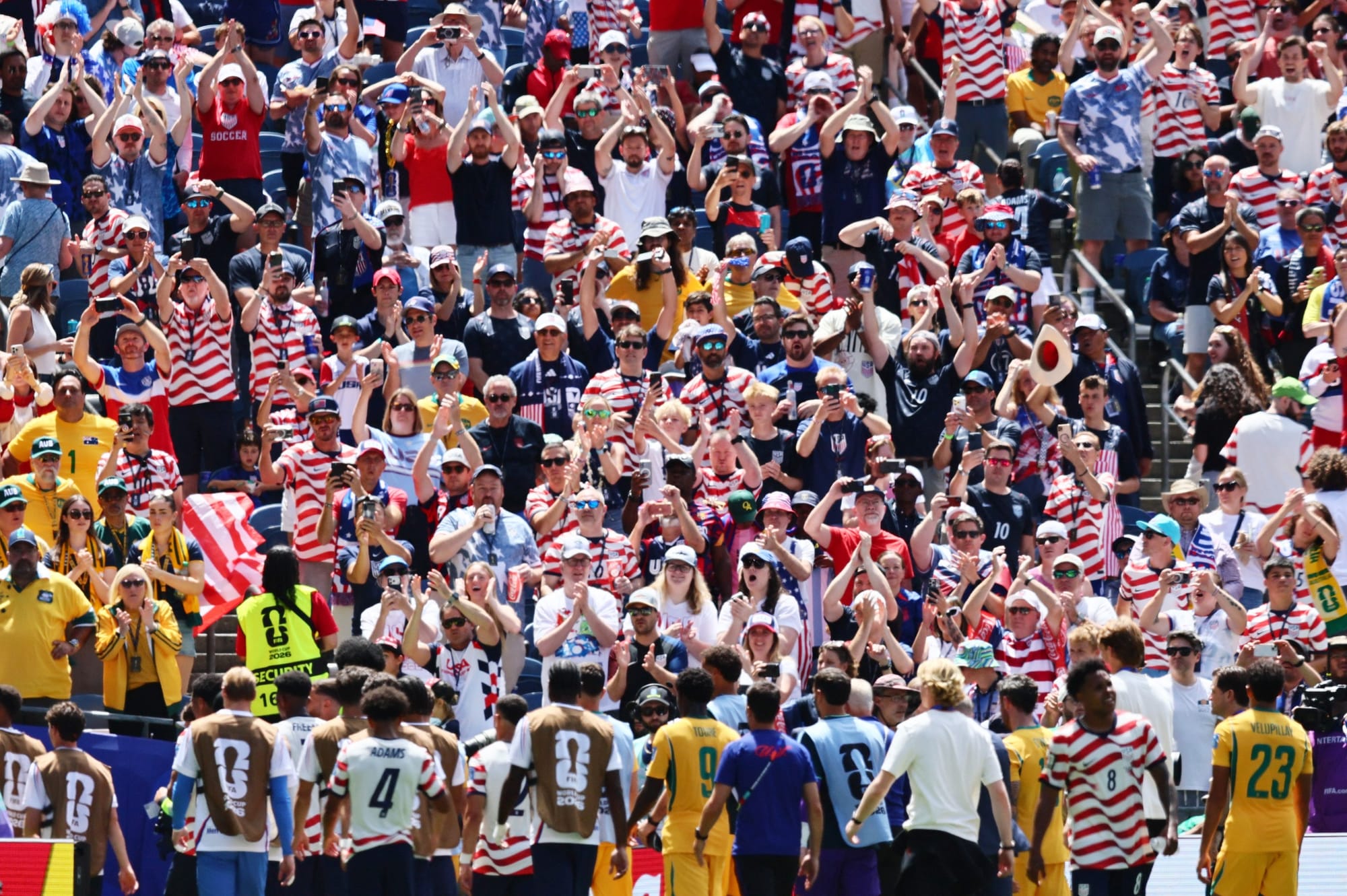
Wright: And finally, just looking at the overall impact of the World Cup – the team playing well, but doing it at home – I've certainly got more questions from people who I had no idea even cared about soccer, but now they're fully bought into this. That's probably a common experience for a lot of people.
As American soccer fans, we always talk about the sport "making it" in the US. Maybe that feels a little bit reductive, but do you feel like this is a chance for soccer to take a step forward and maybe bring in people who otherwise wouldn't have cared about it?
Callaghan: There are all these moments on the timeline that we have to continue to nudge it a little bit further and a little bit forward. This is certainly one of those times now to our job as everybody who's involved in the game, to capture this sort of momentum and continue to push it, so that doesn't just happen as an every four year thing, but that we take this moment and then we're able to grow it and bring people back into being fans of the MLS, to continue to make better youth programming, to have better coverage. Whatever it is, it becomes all of our responsibilities to build on this momentum and to keep the fans interested.
But I do think that there's a massive possibility to do that right now. It's our job to make sure that we see continued growth. It's not like we're just going to explode into some like rabid football or soccer country. But I definitely think we've moved the needle. And it's our job to make sure that that needle doesn't slide back to neutral, but that it keeps getting pushed forward.