Here we are again.
Another World Cup has come and gone for the United States. Another World Cup of potential, brief happiness, and a momentary belief that, this time, things could be different. And ultimately, another World Cup of disappointment.
This time felt different, though.
The highs were higher. We've never seen as dominant or free-flowing a win as we did in the 4-1 demolition of Paraguay. In 25 years of watching every United States match – friendly, competitive, or otherwise – I certainly haven't seen a team look that cohesive. Even wins over Australia and Bosnia & Herzegovina seemed to hint at the same grit and the same fight that we all knew and loved from years past.
But the lows... my goodness, the lows were lower. The entire circus of the 48 hours from the Belgium game ultimately proved to be more than a media distraction; it fully killed the vibes. This World Cup felt like a welcome and necessary break from politics, a reminder of how much more united we can be. Perhaps it's not a surprise that as soon as politics got involved, everything changed.
Our World Cup journey comes to an end. pic.twitter.com/j8fACE41hv
— U.S. Soccer Men's National Team (@USMNT) July 7, 2026
But the performance against Belgium was the real kicker. Once again, we convinced ourselves that this "golden generation" was good enough to do more than just participate. Maybe they could actually compete with a good European team. Not one of the really elite European teams like France, Spain, or England, mind you, but an aging Belgium who had drawn Iran and Egypt, barely survived against Senegal, and looked imminently beatable.
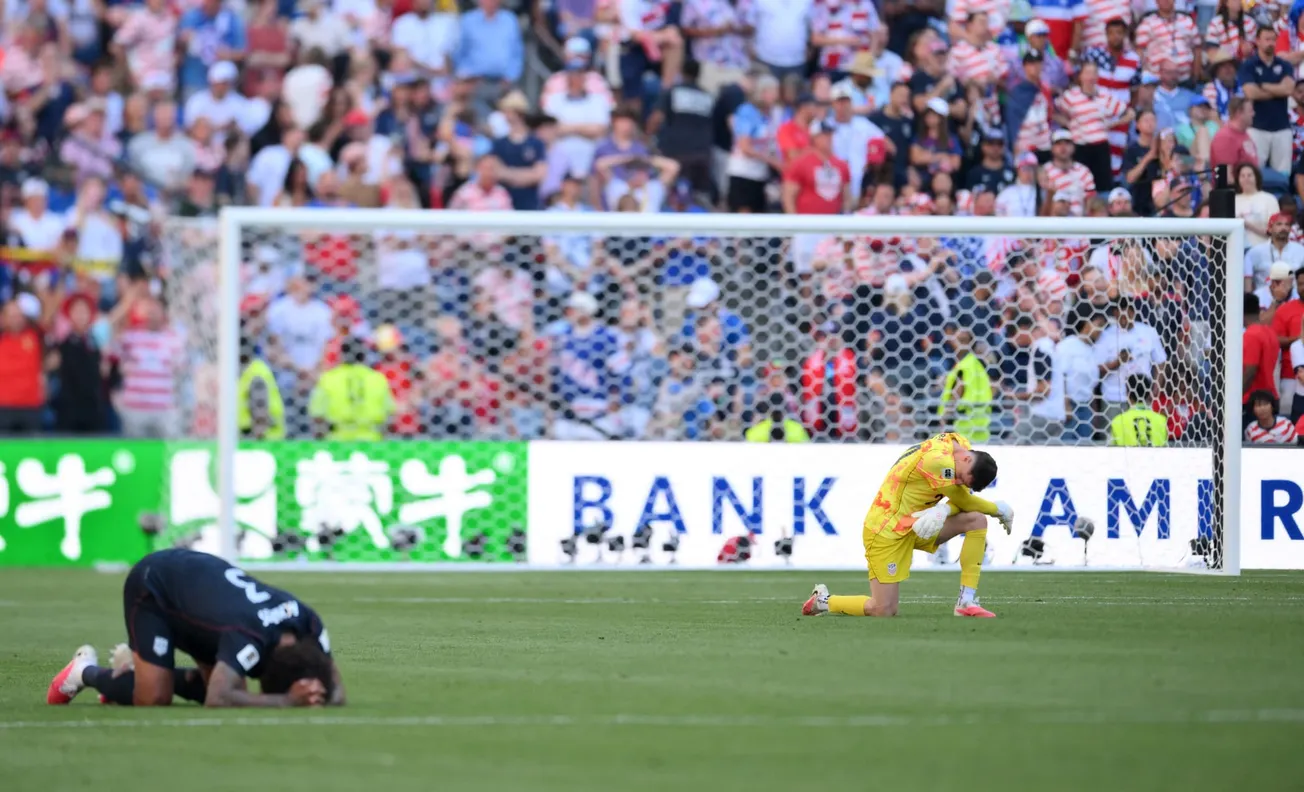
The team just didn't show up. In the biggest moment for soccer in this country, in a Seattle atmosphere that is consistently an advantage, the team on the field simply didn't show up. After watching the two other host nations, Mexico and Canada, give their all on the field in their exits to superior England and Morocco sides, the general lack of interest from this team was stark.
What would it take for them to play like Cape Verde against Argentina? What about DR Congo against England? Is that too much to ask? In a once-in-a-generation World Cup on home soil? Apparently it was.
The "superstars" disappeared
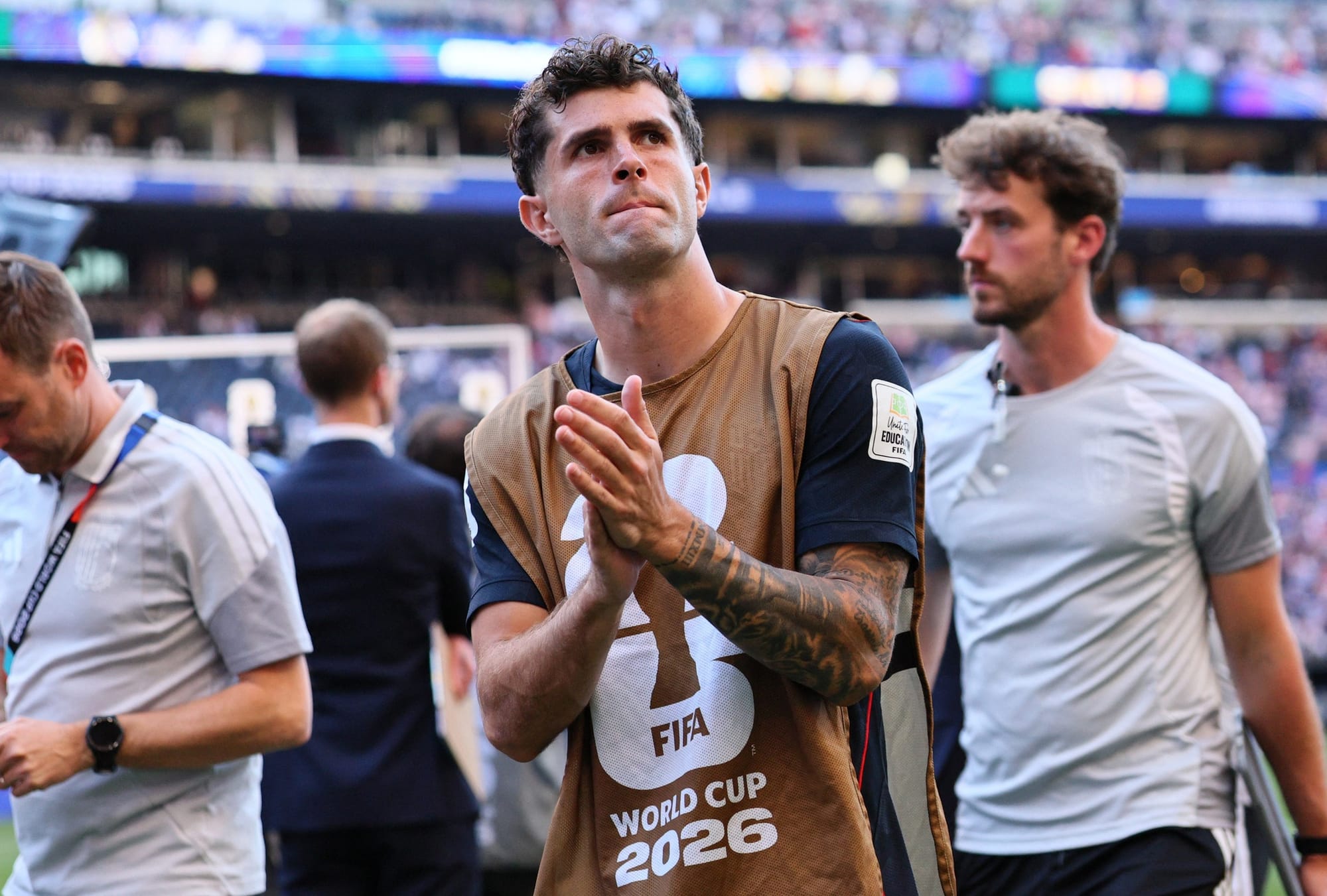
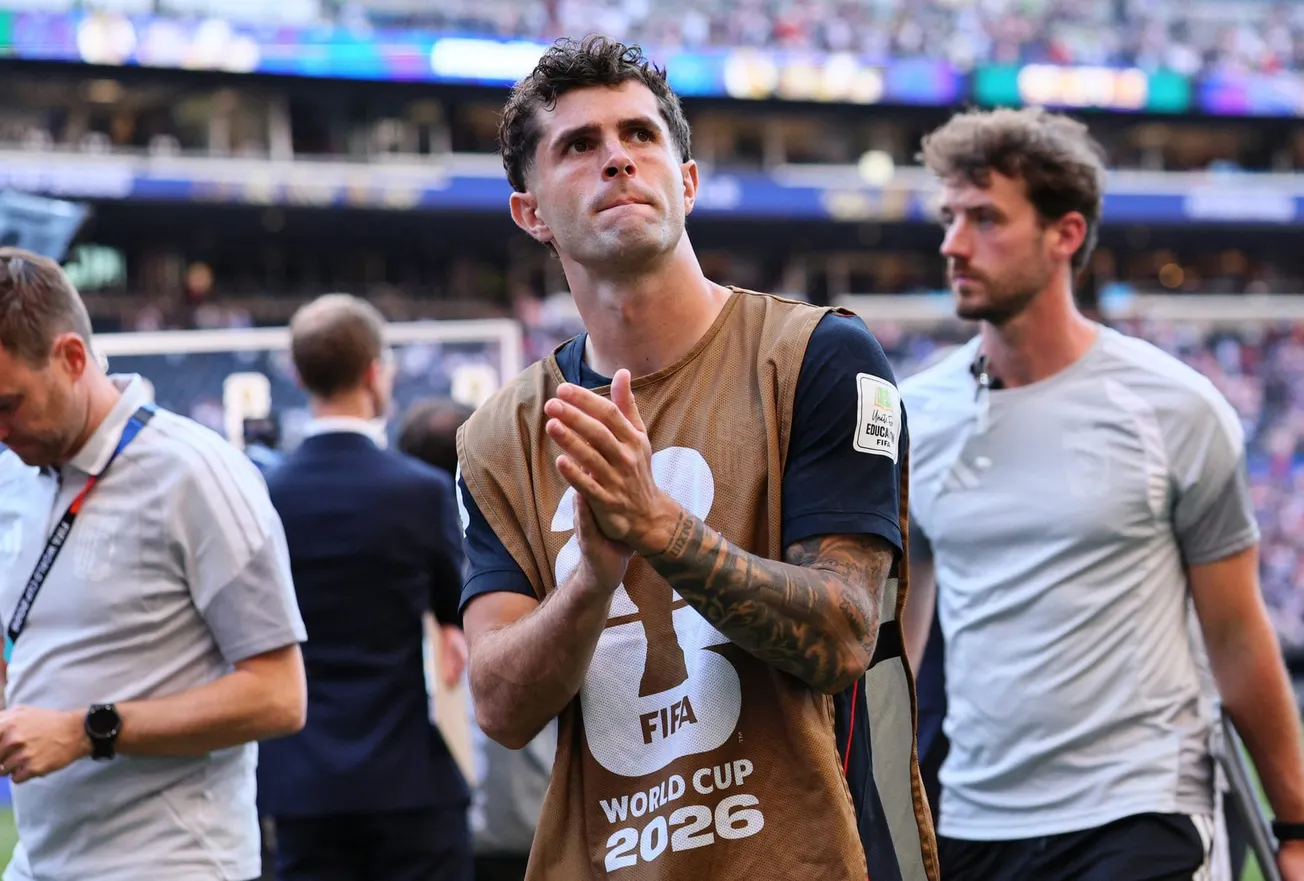
We can't have this discussion without talking about Christian Pulisic. The AC Milan winger has been the face of this national team for almost a decade, taking the mantle from Landon Donovan and Clint Dempsey after the disastrous failure to qualify for the 2018 World Cup.
You can make an argument that he's the most talented player the country has ever produced (I don't think he is). He's certainly the most high-profile American player on a global scale. It's impossible to tune into a World Cup match in the States without seeing him in every commercial, selling credit cards or McDonald's meals. This was a once-in-a-lifetime opportunity to put his name down with the all-time US Soccer greats.
And he went missing.
pulisic's 2026 world cup stats shots: 4 goals: 0 dispossessed: 2.73 per 90 commercials: 4
— andré (@andre-carlisle.bsky.social) July 6, 2026 at 8:31 PM
Christian Pulisic was a complete non-factor in 2026.
I don't know what all was going on with his health at this tournament. He came off at halftime of the Paraguay win with a calf bruise, and eventually left the Belgium defeat with an ankle knock. Injuries happen in sports.
But I can't shake a feeling of surprise at how meek it all was. Even before his injury against Belgium, Pulisic was timid and slow whenever he got the ball. He consistently declined to take on his defender. He certainly didn't raise the energy or intensity in a way that the moment called for.
Dempsey, Donovan, or any member of US teams past would have died on the field before they came off in a match this big. Pulisic went out with a whimper, capping off a dismal tournament. It will go down as one of the biggest missed opportunities in US Soccer history, and leaves a lot to be reckoned with as this team tries to move forward.
To be clear, Pulisic wasn't alone. Sergiño Dest put in one of the worst shifts of anyone wearing a US kit, casually failing to defend at a most basic level for the first two goals. Matt Freese made a game-killing mistake, the kind of mistake that is unacceptable at any level, and a mistake that completely ended any chance at a comeback.
No one on the field covered themselves in glory. Only Folarin Balogun and Sebastian Berhalter looked like they understood what was at stake and at least tried to meet the moment. The rest of this team? The stars we've hyped up for the last eight years as the players that could finally compete with the best in the world? Invisible.
Another missed moment, but this time feels bigger
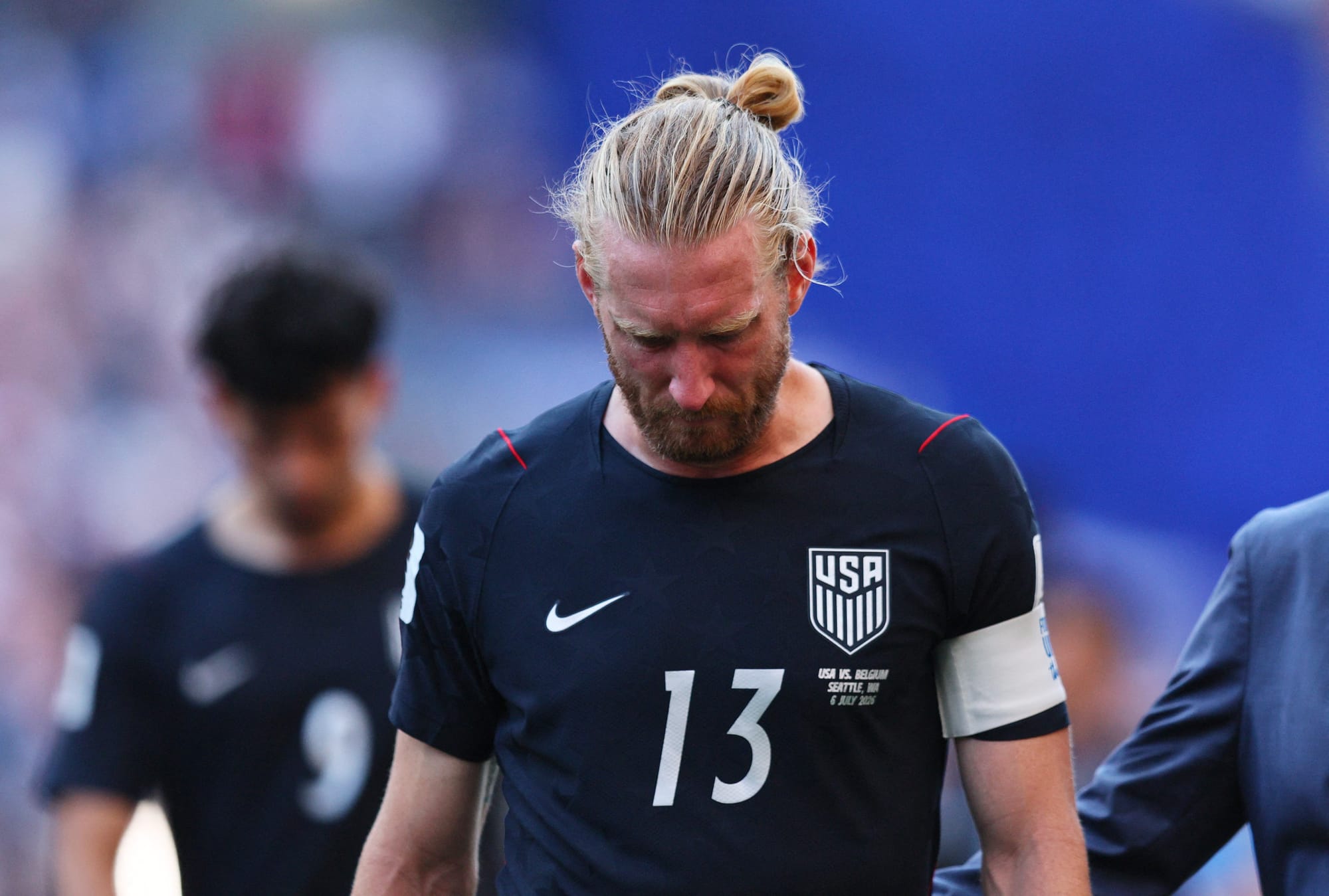
For everyone involved in soccer in America, 2026 felt like the moment for the sport. A chance for soccer to finally hit the mainstream, for other sports fans to get hooked, for the game to finally "make it" in the United States.
For a moment, it looked like it might. The performances in the group stage captured imaginations. The win over Bosnia broke records for viewership, with the entire country tuning in to watch this team win in the knockout rounds.
FOX Sports soars into the record books! 🇺🇸
— FOX Sports PR (@FOXSportsPR) July 2, 2026
🏆 The MOST-WATCHED SOCCER TELECAST in English-language U.S. history 🏆
👀 Peak Audience: 31.883 M viewers 👀
Per preliminary numbers, 24.429 million viewers tuned in for the #USMNT’s @FIFAWorldCup 2026 Round of 32 victory over… pic.twitter.com/QniYs2u4Bh
Even the Balogun red card drama penetrated broader cultural discussion in a way that soccer never has. Every talk show host and analyst weighed in on the saga. It intersected politics, sports, and general interest in the spectacle of the tournament.
Anecdotally, my family group chat has exploded throughout this tournament, with my in-laws (who have never had a real interest in soccer) fully hooked on the tournament and this team.
And on the biggest stage, in the biggest game, this team dropped one of the worst performances in American soccer history. A close, hard-fought loss to Belgium wouldn't be an embarrassment. Fans could rally around a team that left everything on the field, a team that gave it a damn good shot, and came up just short against a superior team.
But a team that never looked up for it? A team that meekly accepted their elimination from a once-in-a-lifetime tournament? It's indefensible. It's the kind of showing that turns off casual fans from the sport, that pushes them farther away.
The 2002 World Cup team was objectively less talented. But they beat Mexico and Portugal in games that mattered, and took an elite Germany team to the brink, a missed handball call away from a semifinal.
The 2010 and 2014 teams were similarly underdogs, but their collective grit and fight elevated them into more than the sum of their parts.
Even the 2022 team had moments. The youngest team at the entire World Cup, they held their own against England and Wales, and gutted out a win over Iran to finish second in the group. They lost to a European power in the Round of 16, too, but were much more competitive in a 3-1 loss to a Netherlands side that were better than this current Belgium squad.
The 2026 World Cup team didn't show a fraction of their heart on home soil against Belgium. From the opening whistle, they never looked up for it. That's what hurts the most.
What's next?
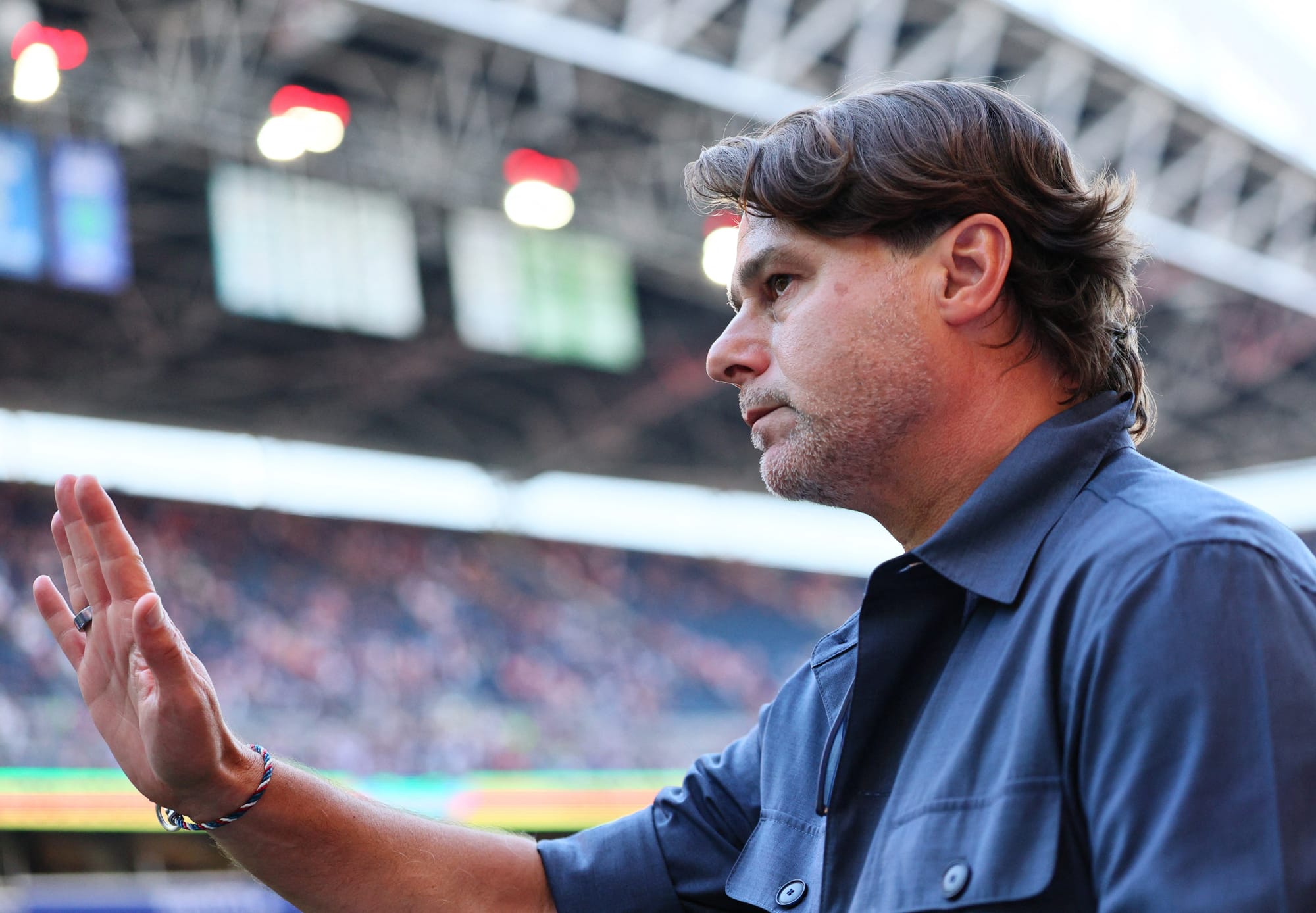
This is the million-dollar question. Where does the team go from here?
Does Mauricio Pochettino stick around? He has a new contract offer on the table, and the vibes in the initial part of the tournament were unlike anything this group has seen in recent years. After a disastrous and embarrassing loss to the first truly good team they faced, though? That's a much tougher sell.
Does soccer stick around in mainstream American culture? Do new fans of the sport keep watching, or does a 4-1 drubbing turn them off entirely? Do new soccer fans engage with the sport locally, or do they simply tune into the Premier League on Saturday mornings and leave MLS as a niche interest?
Can the United States develop players? The fact that 38-year-old Tim Ream was so clearly better than any other option is an indictment of the player pool. Can they find a better option in goal than Matt Freese, who will unfortunately go down as one of the weakest starting 'keepers to play for the US at a World Cup? Will anyone step up and be a consistent game-winner in attack, the type of player we thought Christian Pulisic would turn into, but has consistently refused to be?
2026 was supposed to be the tipping point for soccer in the United States. Now, after a dismal and embarrassing loss to Belgium, we're left with more questions than answers. Again.
If you've been watching the World Cup and want to get into soccer, I encourage you to stick around. There are local teams all over the country, and supporting local soccer is one of the key ways to help the sport in this country take hold and continue to improve.
If you're in Middle Tennessee, check out Nashville SC! They're currently the best team in Major League Soccer, play some of the most energetic and attractive soccer in the league, and have a vibrant and fun fanbase.
Here at SixOneFive Soccer, we cover Nashville in-depth every week, and we'll be back stronger than ever for the second half of the 2026 season. We'd love to have you follow along with us!
Nashville SC and Major League Soccer are back in action, and we're here to cover it all in-depth. Sign up for a new annual membership and save 30% on your first year!