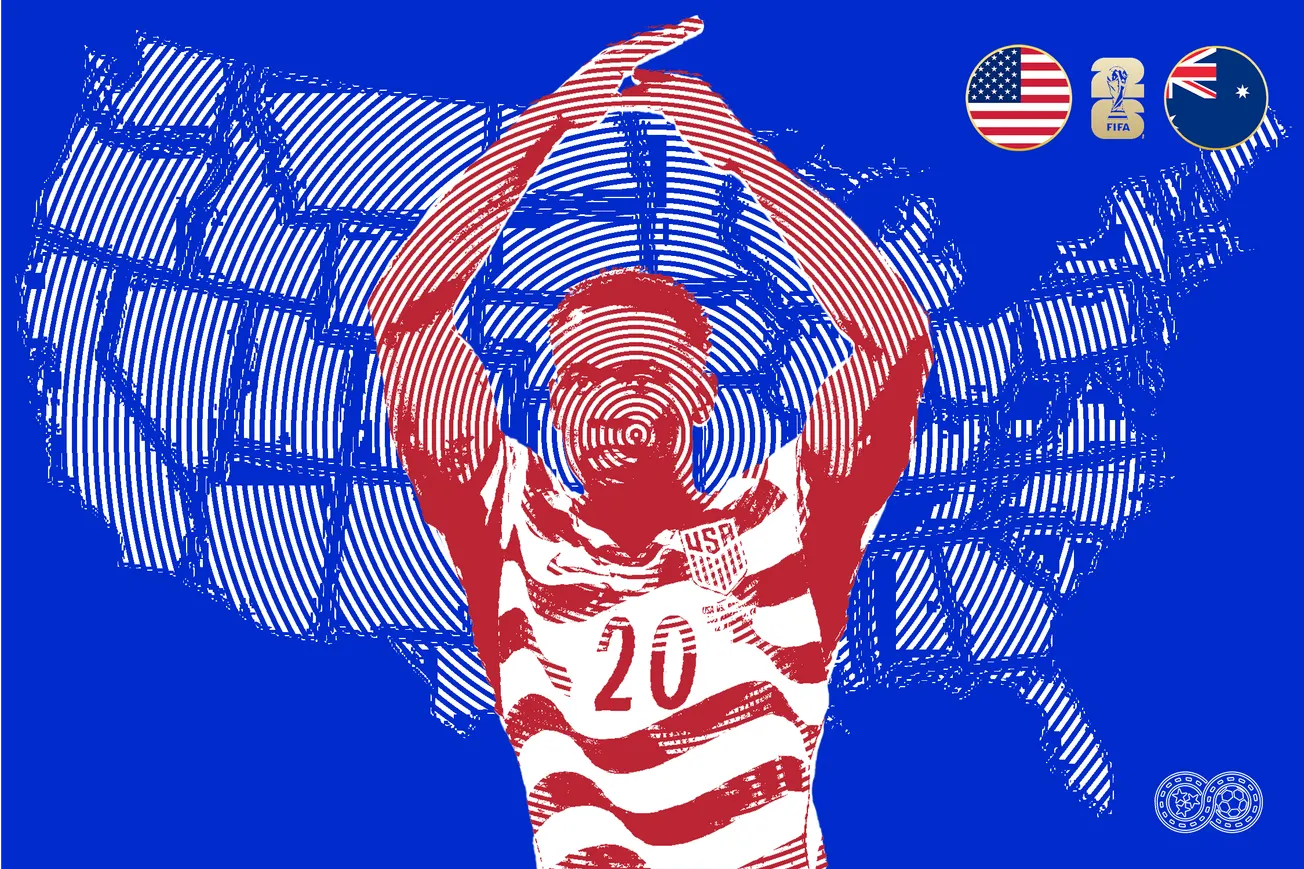
The 2026 World Cup keeps rolling, and the United States are back on stage for their second match of the group stage, taking on Australia on Friday at 2 pm CT.
Both sides won their first match – the USA taking down Paraguay 4-1, and Australia getting a surprise 2-0 win over Türkiye. Both sides are in prime position to advance from the group. Our prediction model gives the USA a 96% chance to book a spot in the Round of 32, while the Socceroos are right behind at 92%.
Here are three things to keep an eye on in this pivotal match.
The World Cup is here, and we're running our biggest sale of the year! Sign up for a new annual membership and save 30%!
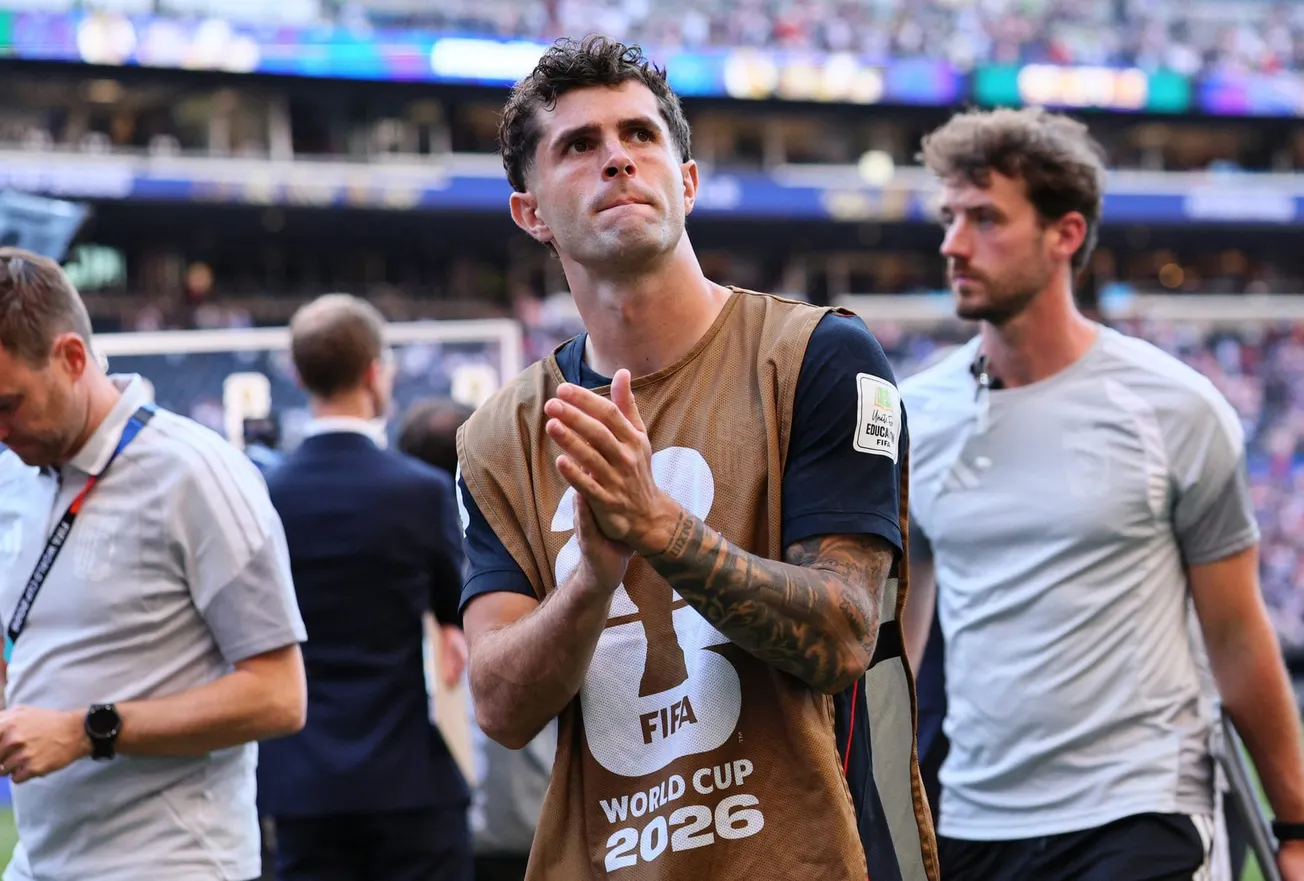
Is Christian Pulisic fit?
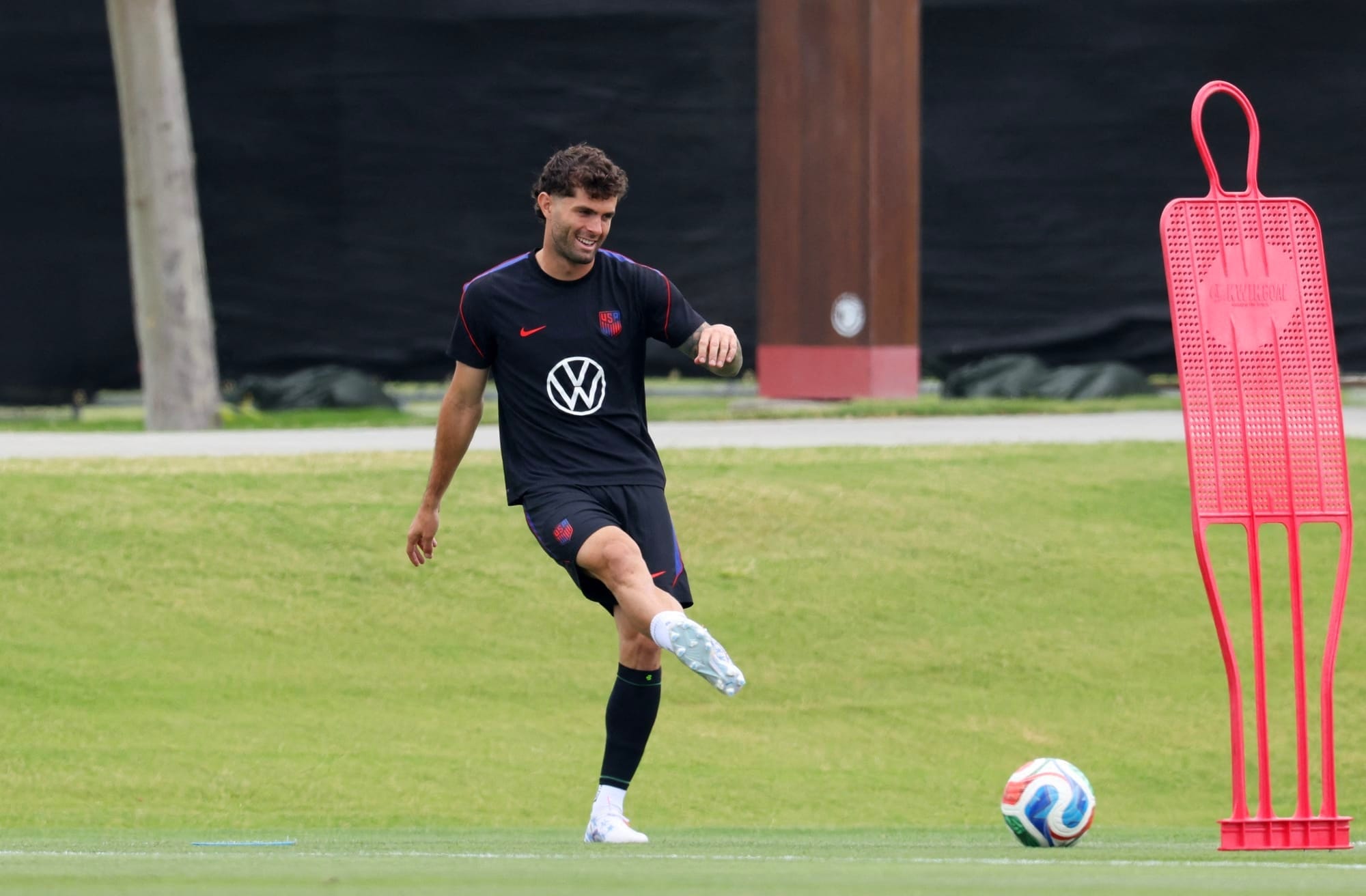
This is the question that's dominated American soccer media all week. Christian Pulisic was stellar in the first 45 minutes against Paraguay, assisting both of Folarin Balogun's goals, and setting up the opening own goal from Paraguay.
His substitution at halftime was a surprise, attributed to a kick he took on the back of his left calf. Initially, head coach Mauricio Pochettino and others brushed off concerns and said it was precautionary, but the AC Milan winger hasn't trained with the full team all week. Instead, he's been doing individual work in the gym or light training on his own, with a compression sleeve on his calf.
The only glimpse we got of Christian Pulisic today: walking to join a pre-warmup huddle, trailed by performance/medical staffers.
— Henry Bushnell (@HenryBushnell) June 18, 2026
He subsequently went into the gym and did not start the training session with teammates.
24 hours til kickoff vs. Australia. Poch will speak later. pic.twitter.com/Kzv8Hom7oZ
Nothing we've seen this week indicates a player who's on track to play. The official line from US Soccer is that Pulisic is "day-to-day", but at least in the portions of training available to media, he hasn't shown the type of progression needed to get on the field.
And honestly, is it worth risking him at this point? He'd be a huge boost for the US in their attempts to break down Australia's low block (more on that later), but with a spot in the Round of 32 looking almost certain, playing him against an ultra-physical Australia team at what's clearly less that 100% seems like a recipe for re-aggrevation.
The simple fact is that the United States will need a healthy Christian Pulisic much more later in the tournament than they will against Australia.
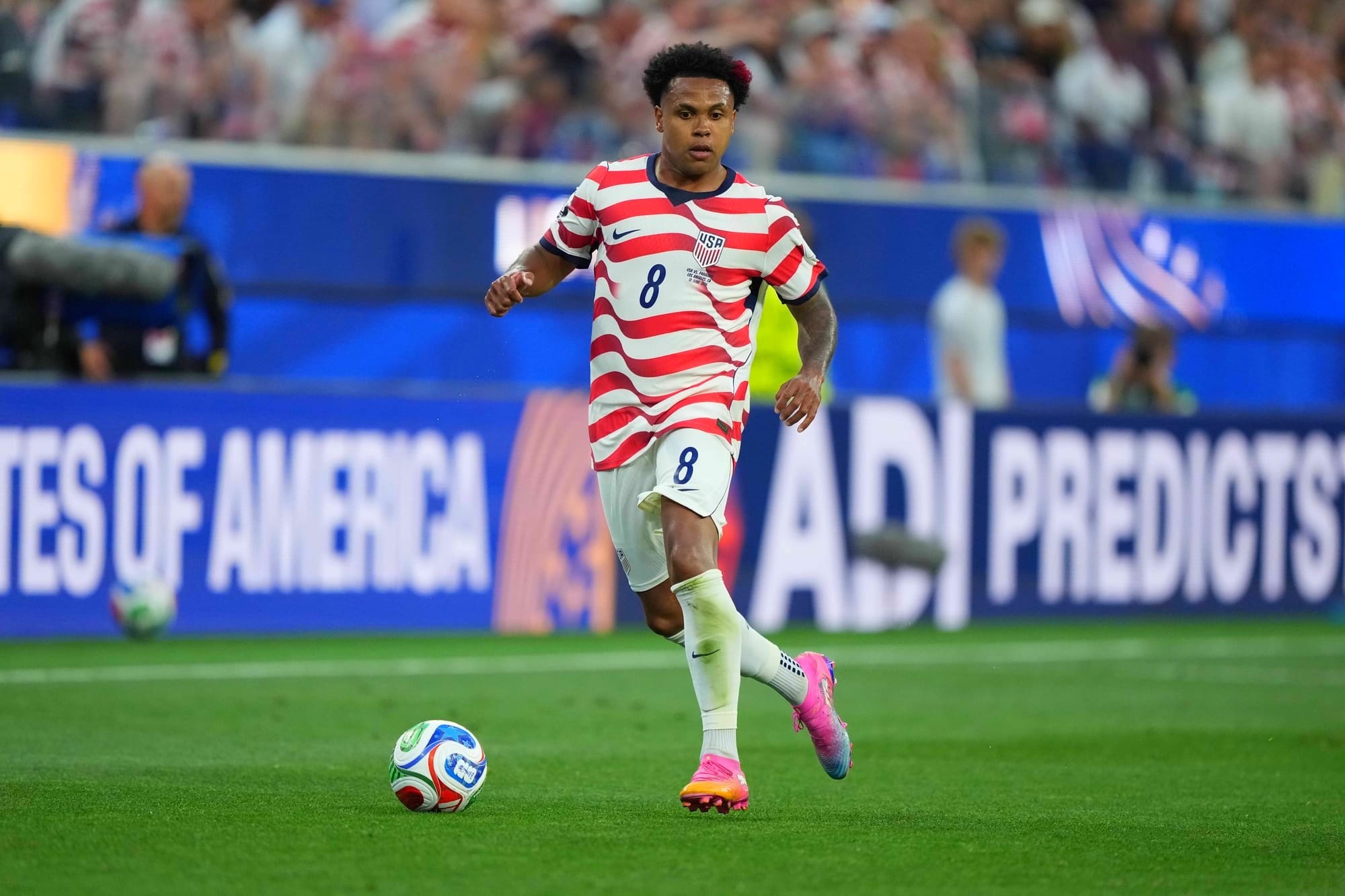
Without Pulisic, what does Pochettino do? In the second half against Paraguay, Malik Tillman slid out wide from his central role. He doesn't possess the same one-versus-one dribbling ability as Pulisic (spoiler alert: no one on this team does), but he's a creative passer in the final third and combines well with Balogun and Weston McKennie around the penalty area.
Gio Reyna came off the bench and scored a golazo against Paraguay, but he's almost certainly not able to play 90 minutes at a high level. Haji Wright has played wide for Coventry, and is an interesting physical option against Australia's aggressive backline, even able to take some attention away from Balogun to open up space.
Then there's Brenden Aaronson, who's a pressing workhorse and eternally combative, even if he's not a technician in possession. Tim Weah is a field-stretching runner, although he might not have the space he needs against a low block. Alejandro Zendejas is a real wild card, a solid dribbler in his own right with an eye for an entry pass.
Were I the USMNT manager (and you should all be abundantly grateful that I'm not), I'd either bring in Berhalter in midfield and slide Tillman out wide, or maintain the midfield trio and give Zendejas the start. Ultimately, though, United States have more options to replace Pulisic than it may have initially seemed. They should have enough quality to get three points against Australia, even without their star.
• Nashville SC are hosting a watch party for the United States vs Australia at Centennial Park, as part of Nashville's Juneteenth615 Celebration. Details here.
• The American Outlaws host their watch parties at Tailgate on Music Row, and will have their parking lot closed down with a large screen up for viewing. Some SixOneFive Soccer staff may or may not be there...
How will the US defend in transition?
Against Türkiye, Australia played an ultra-transition-focused game. The Socceroos controlled just 30% possession, with Türkiye's field tilt at a staggering 83% ("field tilt" measures which team is controlling dangerous areas by comparing the number of passes or touches each team makes in the final third).
Australia were outshot 30 to 9, and per the excellent Futi app, had six dangerous attacks to Türkiye's 16. They weren't lucky to win, per se, but instead had a clear gameplan and excecuted it to perfection.
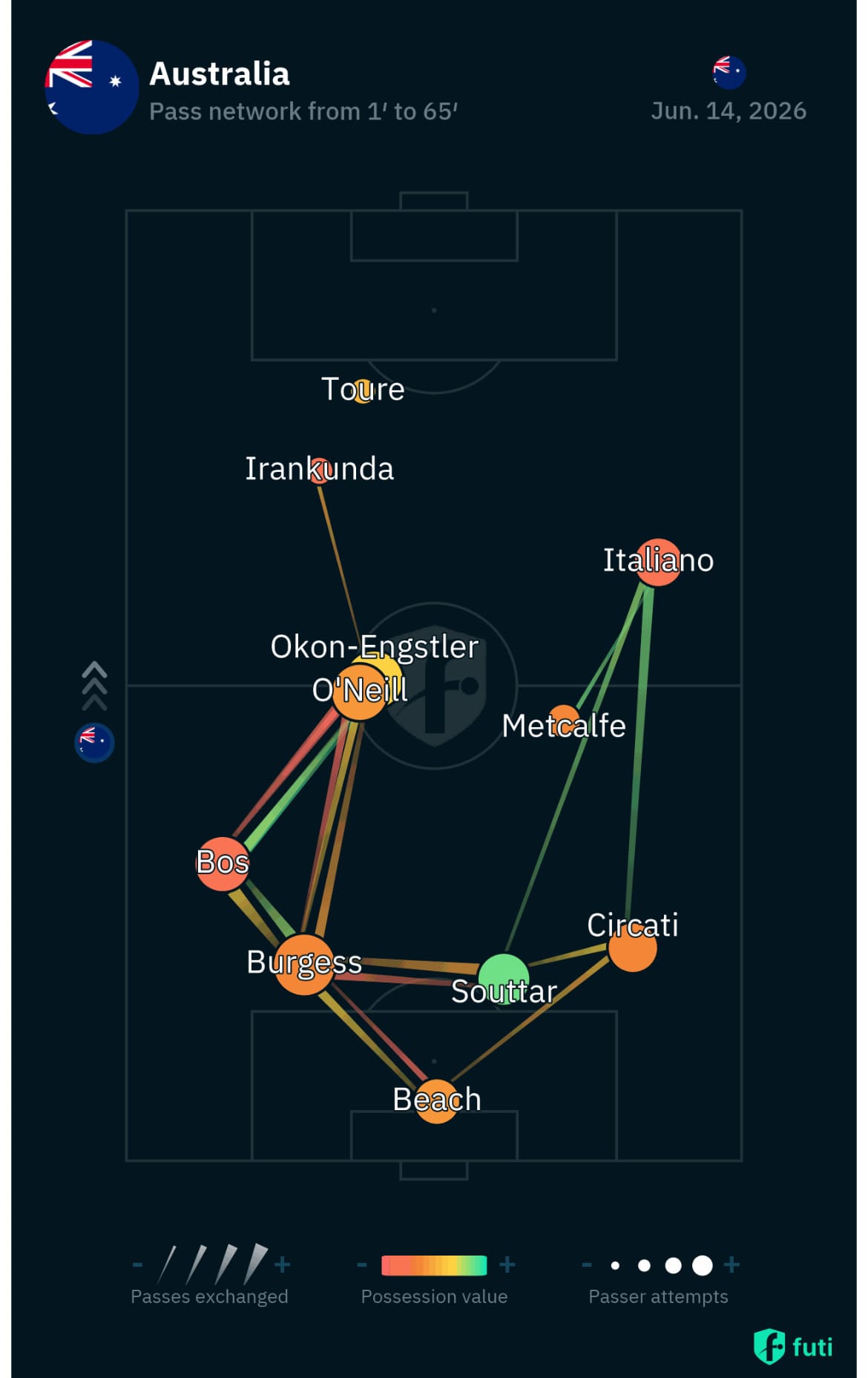
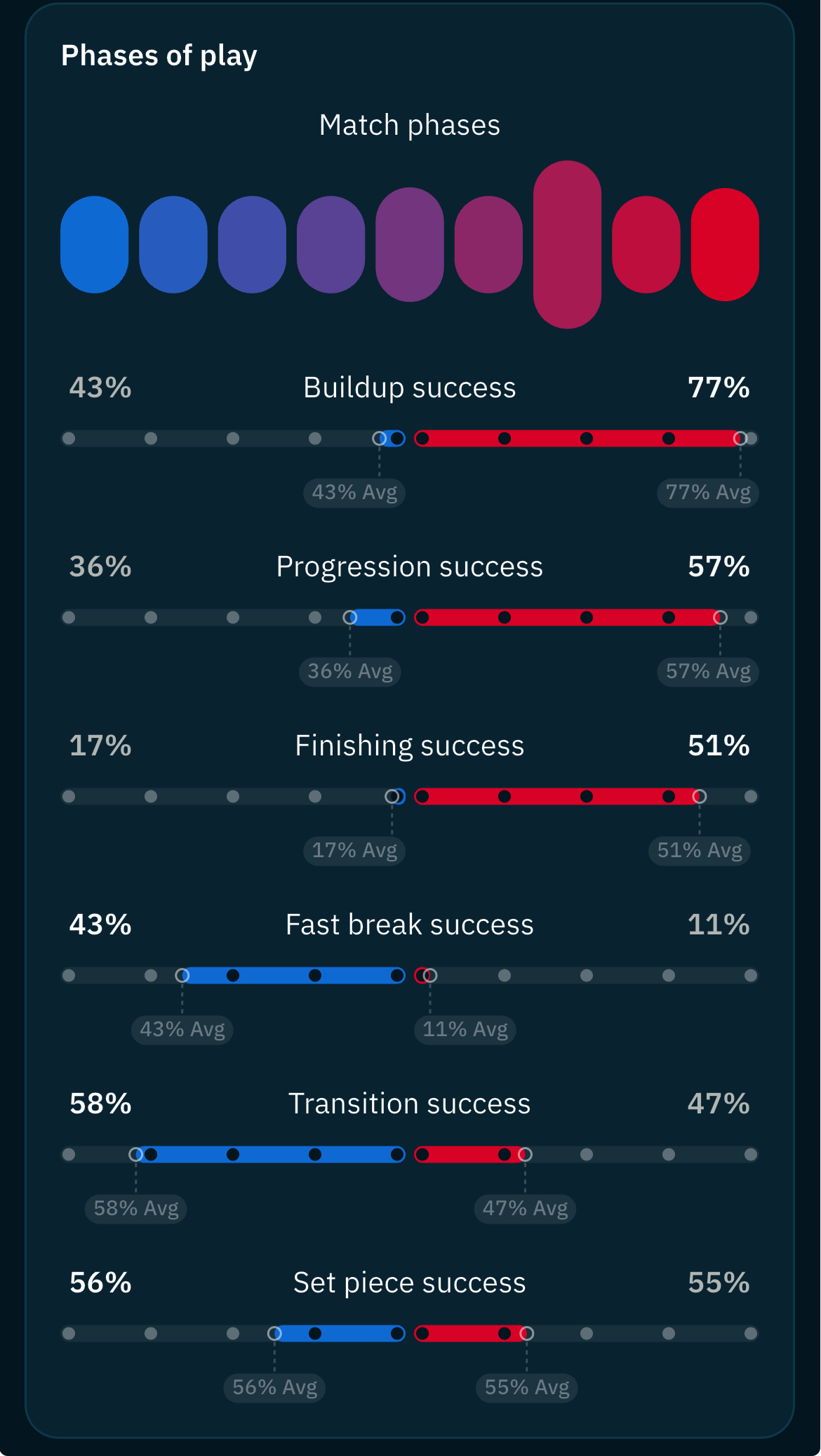
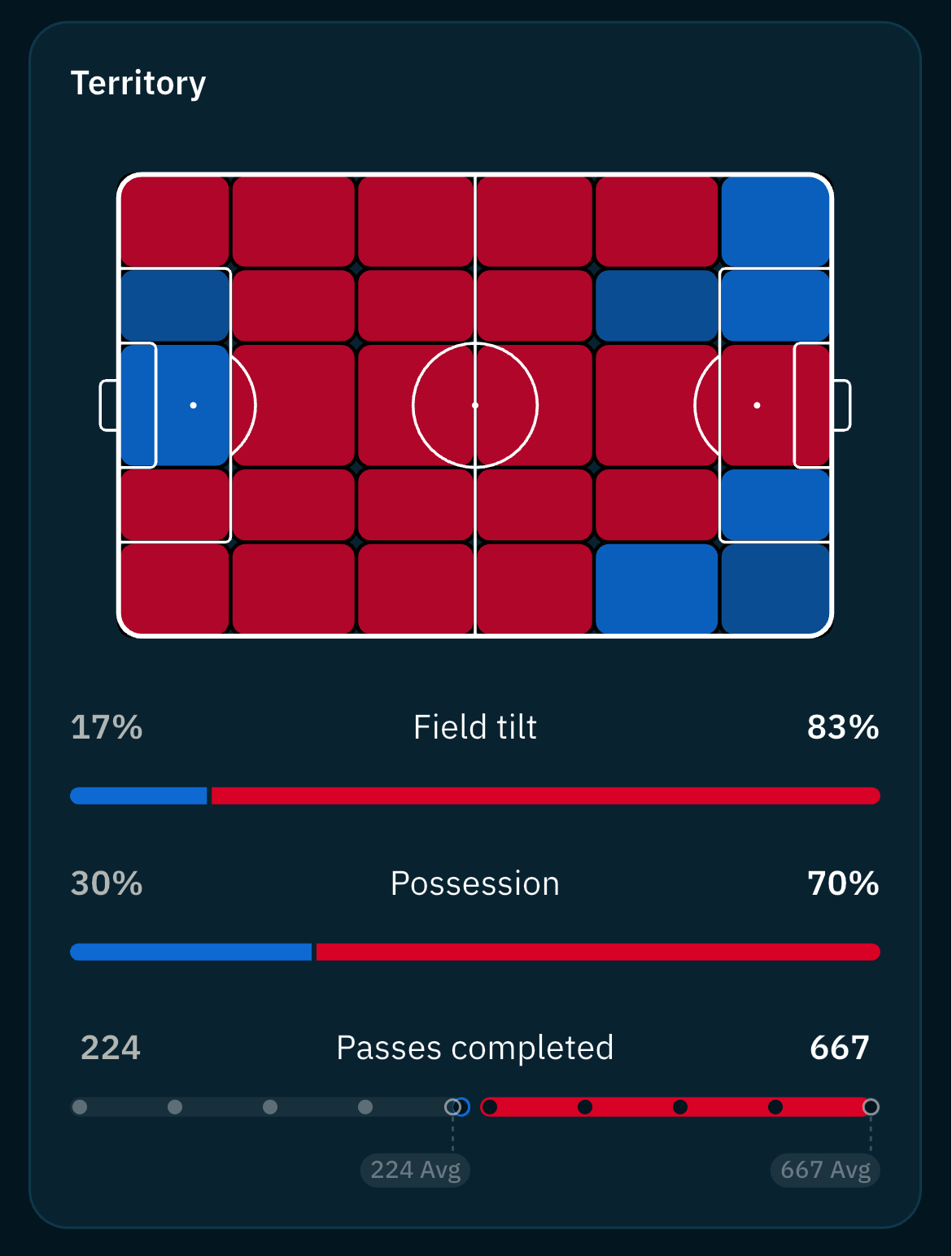
Via Futi.live
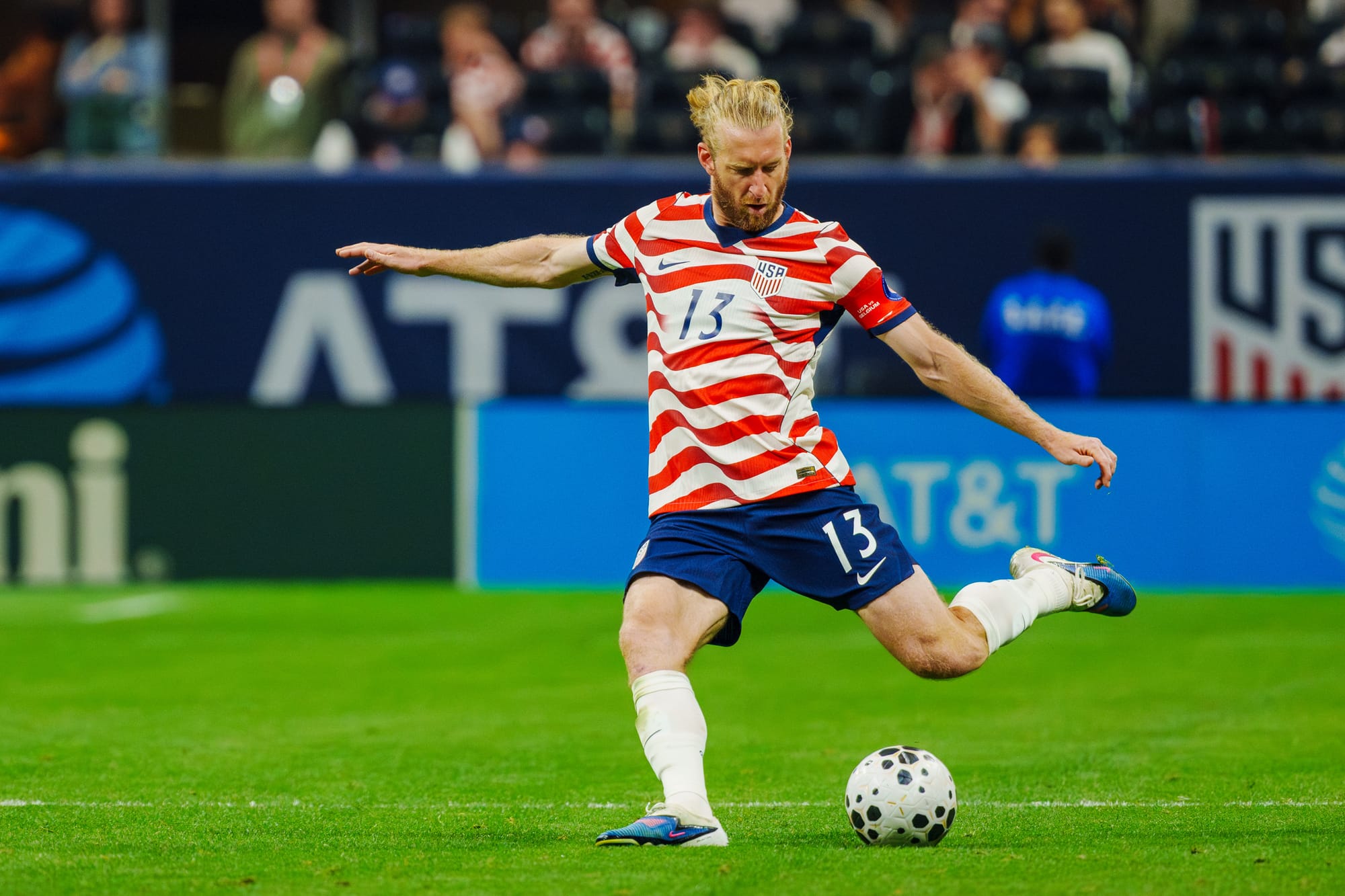
This raises some real questions about how the USA will defend. Tim Ream rolled back the clock against Paraguay with an exceptional performance in possession, and the 38-year-old was able to cope with Paraguay's attack better than expected.
That's a different question against Australia. Jordan Bos and Mohammed Touré were the first and fourth players, respectively, in top speed measured during the first round of group play, both reaching nearly 23 miles per hour. With Australia looking to hit their attackers in space, how Ream and the rest of the backline deals with the threat in behind is a major piece of this tactical puzzle.
It's especially relevant because of how much of the ball the Americans are likely to have.
Can the US break down Australia's low block?
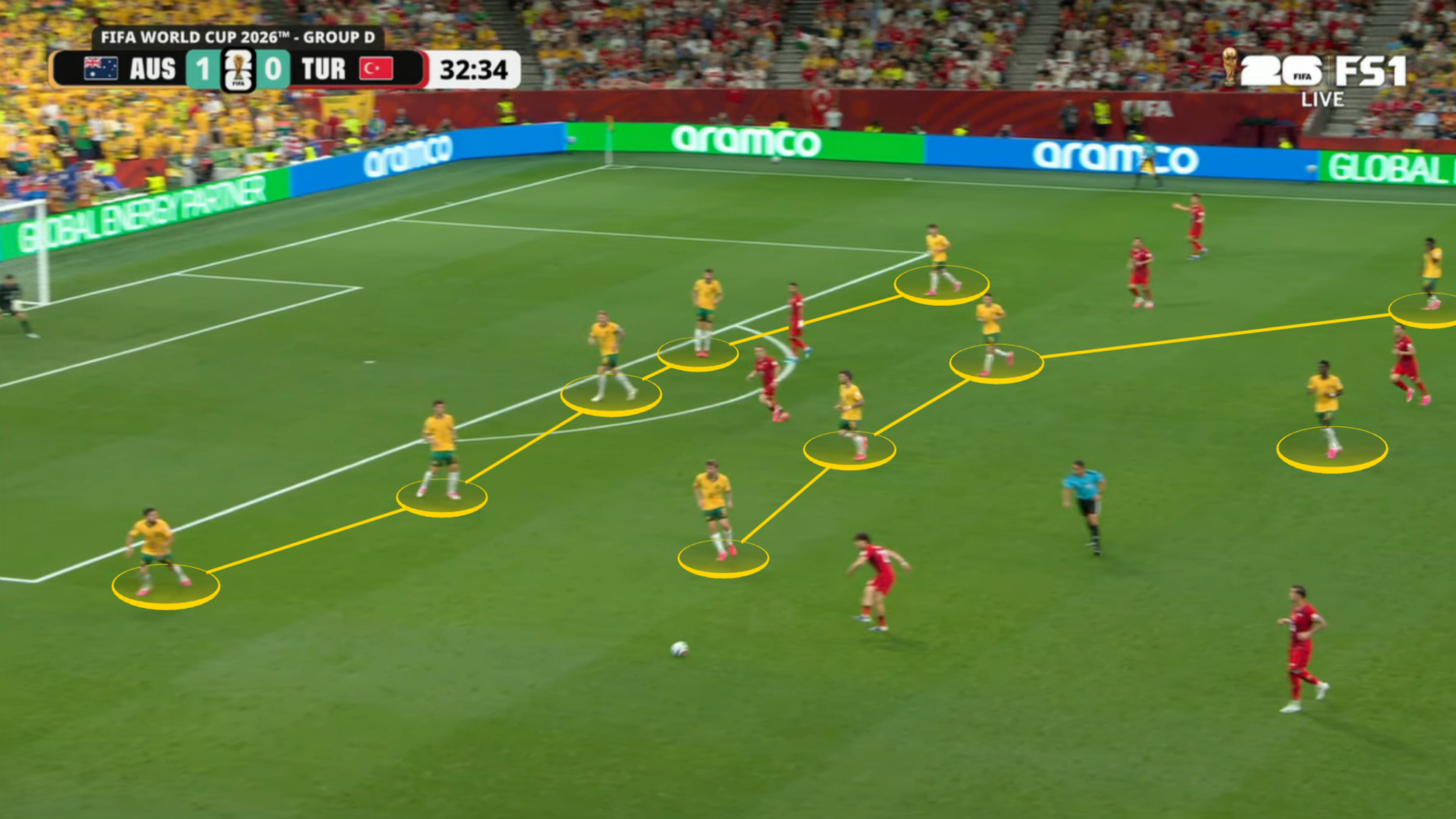
Australia will set up in an ultra-compact low block against the US. Against Türkiye, they set up in a compact 5-4-1, often putting all 11 players in the 20 yards directly in front of the penalty area. There will be little space available.
Not having Pulisic hurts here, as beating a defender one-on-one is a key way to open space. It will also put more emphasis on the midfield's ability to find passing lanes and exploit whatever openings Australia allows. Tillman and McKennie have shown this ability, but it's certainly not one of Tyler Adams' strengths.
In truth, this is how the Paraguay match likely would have played out if not for the seventh-minute own goal to open the scoring. Going down early forced Paraguay to play more open than they would have liked, and scoring early against Australia will be absolutely vital to ensure that the game doesn't get too bogged down.
This match will look very different from the Paraguay match. It's a completely different type of test, against a different – and better – Australia team. It's also the type of match that this United States side has to win if they truly want to take the next step on the international stage.
The World Cup is coming to the United States this summer, and more people than ever are curious about soccer in this country!
If you know someone who might be interested, consider sending them a gift subscription to SixOneFive Soccer, where we'll be covering the USMNT and the tournament at large. They might even get hooked and stick around for the MLS season!